


![[Interview] ‘Poor but sexy’ Berlin faces worsening housing crisis and bad fixes, warns German economist – EUobserver](https://i2.wp.com/static.euobserver.com/2026/09/IMG7797jpeg-1.jpg?w=1920&resize=1920,1440&ssl=1 "[Interview] ‘Poor but sexy’ Berlin faces worsening housing crisis and bad fixes, warns German economist – EUobserver")
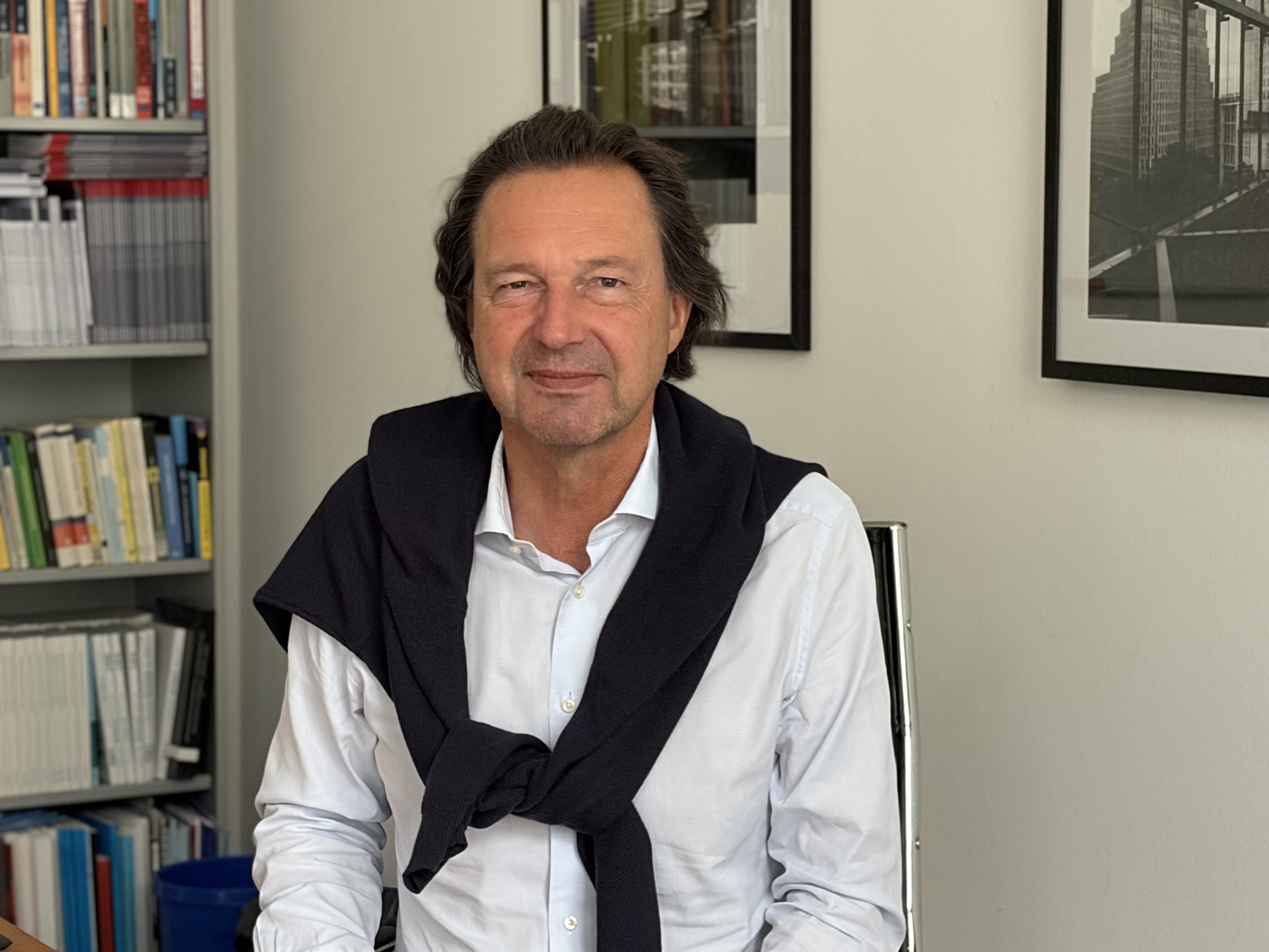
In Berlin, you can be whoever you want to be – as long as you can afford it. By some estimates, the city is short of 100,000 flats. Economist Alexander Kritikos of the German Institute for Economic Research explains how the housing crisis contributed to support for radical political parties.
Over the past 10 years, rent has risen 75 percent to €15.78 per square metre excluding energy and other services. Germany as a whole is short of around 1.4 million lower and middle-priced homes.
The housing crisis is one manifestation of wider discontent that is also reflected in support for political parties at opposite ends of the spectrum, from the far-right Alternative for Germany (AfD) to the far-left Die Linke (The Left).
Find out:
Why so few new homes have been built in Berlin.
Will the Left’s plans to purchase homes from private owners work?
What lies behind growing support for the AfD?
How Germany can get back on track with digitisation.
Germany is one of Europe’s richest countries, but it suffers major housing shortages. How come?
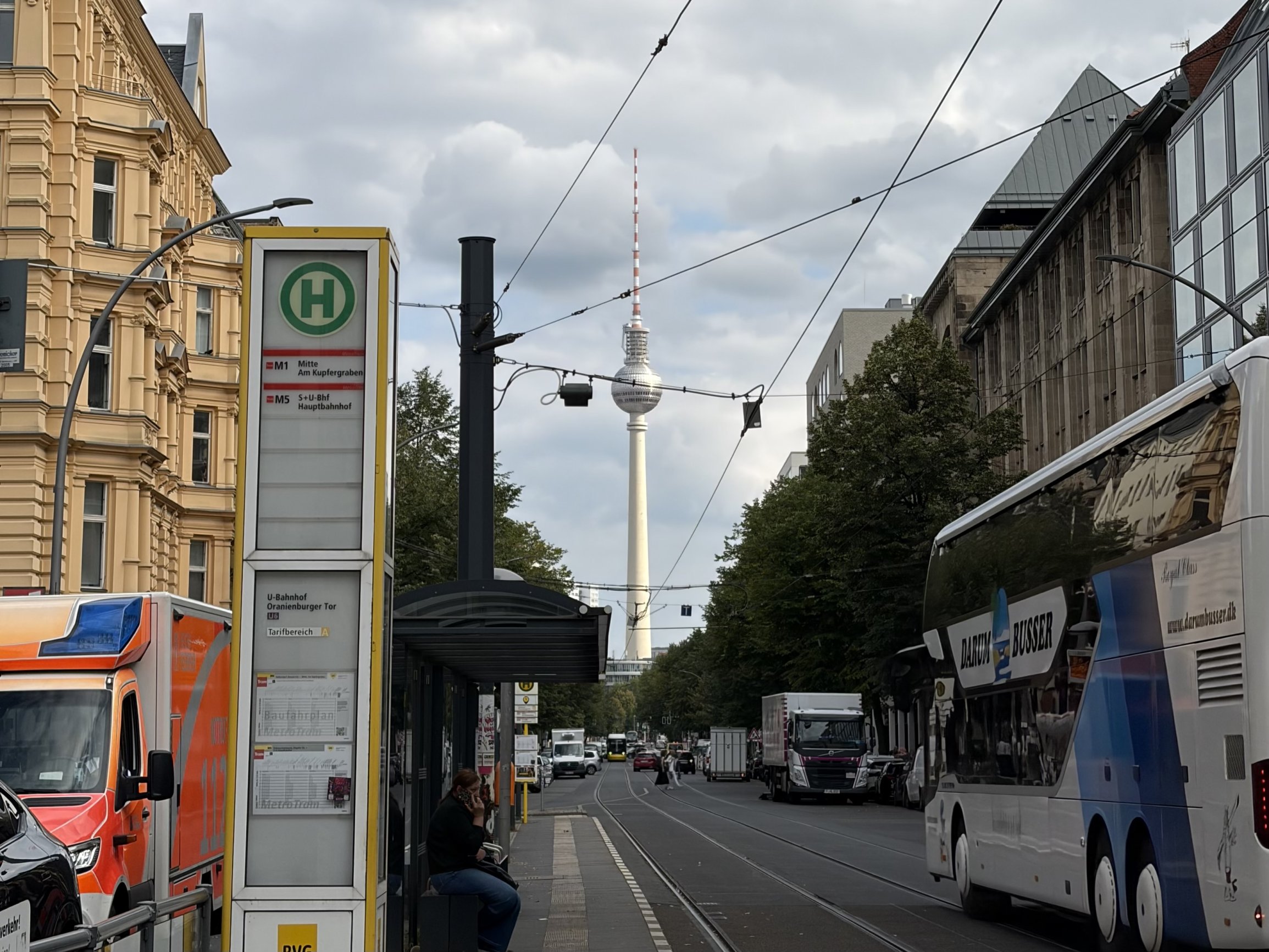
The housing crisis is a problem in three or four large cities. Berlin is one of them, and it is a truly major issue here, especially after an influx of tens of thousands of people from within and outside the country.
What happened in 2003?
2003 was a turning point when Berlin became a city of start-ups. Before then, the people were unable to rent out their flats due to an oversupply.
When in the 1990s Berlin was restored as the capital, people expected that many would move here. But the calculations at the time overlooked one thing: the city [West Berlin] had been surrounded by a wall, and its residents could not move to the suburbs.
In the 10 to 15 years following the fall of the Berlin Wall, when rents were at their lowest, more people left the city than arrived. Developments were therefore exactly the opposite of what had been expected. The trend did not stop until 2003, when the last major wave of residents left.
Berlin’s mayor at the time began promoting the slogan that Berlin was “poor but sexy”.
The city began attracting start-ups. It had an excellent environment for their development and outstanding research institutions. From then until today, more people have been arriving in Berlin than leaving it.
It is therefore clear that, from a certain point onwards, we no longer had any additional flats or houses available to offer.
“When you expropriate something, no new homes are built. It does not solve the housing shortage; you merely shift it from one owner to another”
With so many people arriving, why were more homes not being built?
Building new homes became a bureaucratic nightmare. Obtaining all the permits and dealing with administrative matters took a great deal of time.
And construction became exceptionally expensive while politicians regulated rent levels. Many investors concluded that building homes was not worth their while. For them, costs were too high, bureaucracy too complex and income too low.
Doubts over Left’s proposed flat buy-backs
The Left plans to buy back 220,000 flats from corporate landlords. In 2021, 58 percent of Berliners voted in a referendum in favour of expropriation. Now, the Left wants to fulfil this mandate. What do you think?
When you expropriate something, no new homes are built. It does not solve the housing shortage; you merely shift it from one owner to another.
The Left also promise the number of flats will increase, but it will not. It cannot increase in this way.
Historically, Berlin’s housing stock was managed by public institutions, who offered lower rents. And we saw that those who benefited were people with good connections to those allocating the flats.
Whenever demand exceeds supply, other ways of allocating resources emerge, whether through personal connections, under-the-table payments or otherwise.
Germany has the highest number of foreign-born residents in the EU. Does immigration play a role in the housing crisis?
It does, insofar as migrants also come to Berlin. But we must really distinguish between refugees and highly educated people who come here to establish their own businesses. They too are immigrants. So I would not say that migration is the problem. Rather, more people are arriving in Berlin than leaving, and that creates excess demand for housing.