


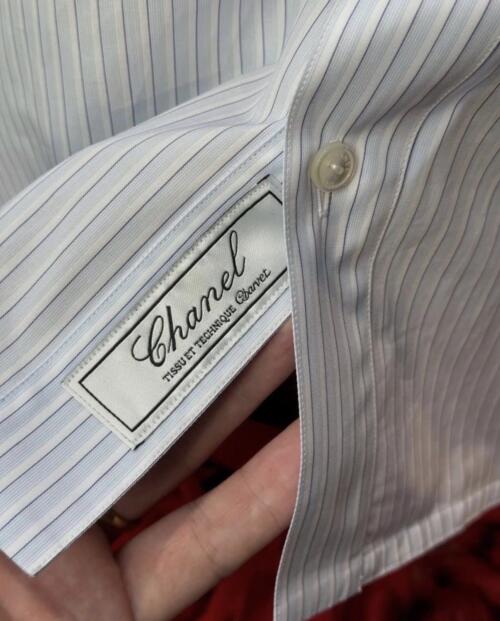
On July 2nd, Chanel announced its acquisition of the storied shirtmaker Charvet. Despite Chanel’s assurances that it was not planning to expand the company or change production, many expressed horror at the takeover. Here, columnist RJ de Mans gives his view.
By RJ de Mans.*
Chanel’s recent acquisition of the shirtmaker Charvet doesn’t mean the tragic death of another independent artisan, much as that might fit a common narrative. Rather, it’s Charvet’s best hope for a future. Unusually among luxury groups, Chanel has a track record of carefully nurturing the select brands it acquires. My hunch, based on fashion’s – and the fashion business’s – winds in recent years, is that Charvet could benefit from Chanel’s protection.
I have cause to take this news personally, having been a greedy customer of Charvet’s bespoke shirtmaking, tailoring and tiemaking, along with its other blandishments, over the last 20 years. Others, when they learnt of the acquisition, probably felt a twinge of worried possessiveness: Charvet is unique in many ways, and they wanted to add their own memories of the house to its long and widely-trumpeted history.
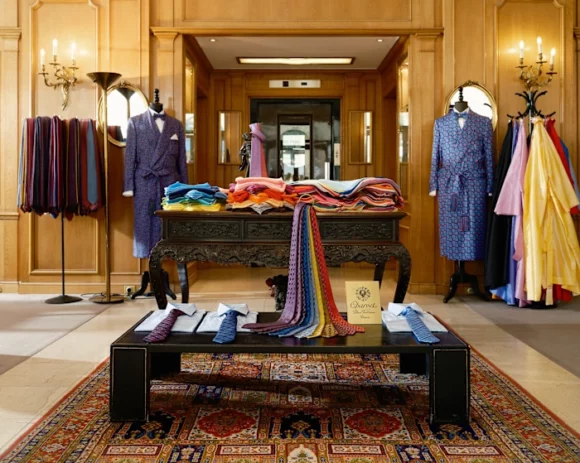
On entry Charvet is seductive, hushed and exotic.
Delicate items in vast ranges of colours overwhelm: ties in extravagant jewel-toned weaves, suede mule slippers, sumptuous dressing gowns in cashmeres or loud silk prints, and the myriad fabrics of its hallowed cloth floor, Charvet’s sanctum sanctorum.
I wrote in my book that the cloth room alone is reason to use Charvet. Bolts of thousands of different colours, weaves and patterns of cotton, linen, and silk allow a customer to see, compare, and find inspiration like nowhere else.
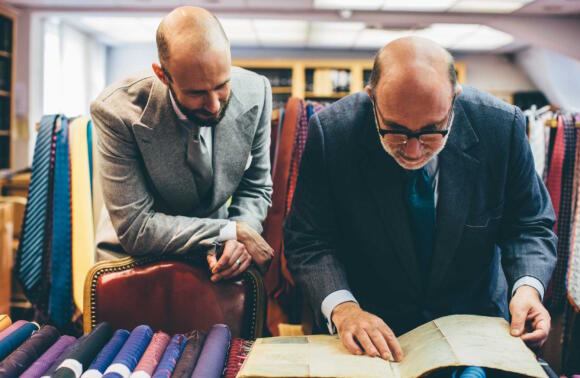
Charvet’s family ownership seemed like an element of its Frenchness. Charles De Gaulle legendarily brokered its sale (to the Colban family, its last owners) to keep it French, like a piece of national heritage.
At the time, six or seven decades ago, Charvet’s Place Vendôme neighborhood was home to many gentlemen’s bespoke makers: the hatters Gélot, the bootmakers Hellstern, the Paris shop of London’s Edouard & Butler. Today, however, Charvet is a rare independent holdout next door to the flagships of brands belonging to one or other of the luxury conglomerates: Richemont (Cartier, Van Cleef, Buccellati), LVMH (Tiffany, Chaumet) or Kering (Boucheron).
Many luxurious flagships like this are operated at a loss as branding endeavours. Licences (perfumes, eyewear, diffusion or outlet lines) or wholesale actually support the business. But Charvet’s wholesale business (mostly ready-to-wear shirts and ties) is in a very limited number of specialty shops.
Ties used to be a moneymaker for luxury brands, being much more accessibly priced than shirts or shoes, and not needing different sizes. While its ties are unmistakably Charvet and a signature item of the house, I can’t help but suspect Charvet’s ties have been affected by the general trend of the suit with open-necked shirt becoming the de facto business uniform.
To Charvet’s credit, it doesn’t do licensed or diffusion lines: its ready-to-wear shirts are made very similarly to the bespoke, by the same people in Charvet’s own facility in the Indre, a former industrial region of France. And its perfume is much harder to find than its shirts, so airport duty-frees are not shoring up Charvet’s bottom line.
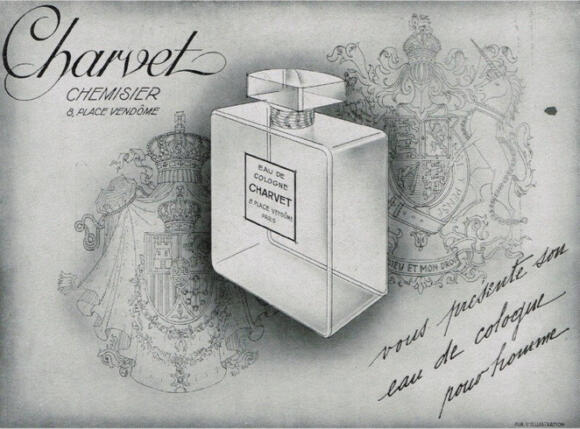
All of this contributes to Charvet’s image of integrity. It suggests a different world of quality open to those in the know.
Charvet’s bespoke shirtmaking – only available in Paris – may still be a large part of its business. Some ‘big fish’ customers – titans of finance and the like – may order dozens of shirts a year. However, normal mortals like you and I have to overcome the polite but firm resistance of its staff. They try to steer would-be bespeakers to Charvet’s stock special offer, priced almost as high as its bespoke while requiring much less pattern manipulation.
I encountered the same sort of resistance to bespoke at the recently closed Hilditch & Key Paris, Chanel’s actual historic supplier for prototype shirts. H&K Paris furnished Chanel for decades in addition to making elaborate personal shirts for Chanel’s designer, Karl Lagerfeld. Over the years, his thousands of orders had probably kept Hilditch & Key Paris open.
I used to wonder why Chanel hadn’t just bought that shop outright. Hilditch & Key Paris closed in 2024, five years after Karl passed away. The French sub-contractor that had made H&K Paris’s bespoke closed around the same time.
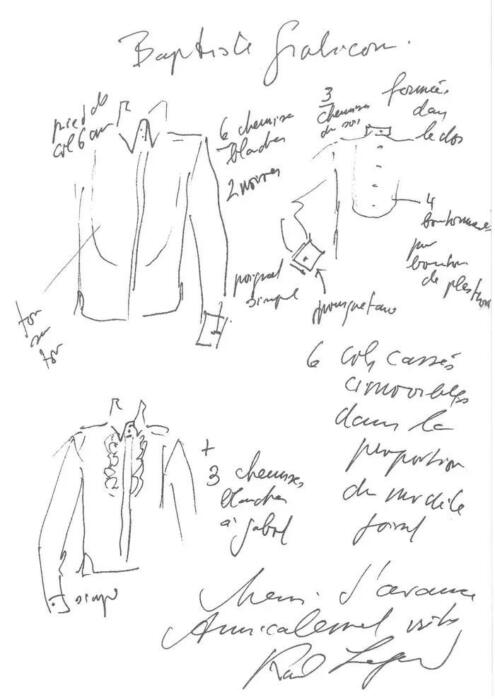
Fears of Chanel bringing the same ‘industrial’ approach to Charvet’s make as that of its quilted leather purses seem overblown.
In France, Charvet is subject to quite a bit of inverted snobbery for its prices and its intentional mythos. The handful of other independent shirtmakers in Paris sometimes criticise it for things like having machine-made buttonholes on its very expensive bespoke shirts, and for an alleged assembly-line approach to shirtmaking.
While craft is a significant part of its brand, Charvet doesn’t hide that its bespoke shirts are almost completely machine-made – but are better and more durably made than other shirts I’ve owned.
Chanel’s group company is called Paraffection – loosely translated, “out of love”.
That name supports Chanel’s narrative that it acquires companies to ensure the survival of its high-craft suppliers: the custom shoemaker Massaro, the Scottish cashmere knitter Barrie (and just recently the cashmere yarn spinner Todd & Duncan), the hatters Michel, and a number of small specialist companies providing embroidery, feathers, trimmings, and other essentials to its couture.
To my knowledge, Chanel keeps production of its signature garments in France, and it seems to treat its acquired brands with respect: it had Edward Green make a gorgeous though short-lived ready-to-wear line for Massaro, and raised Barrie’s profile with a tastefully discreet boutique.
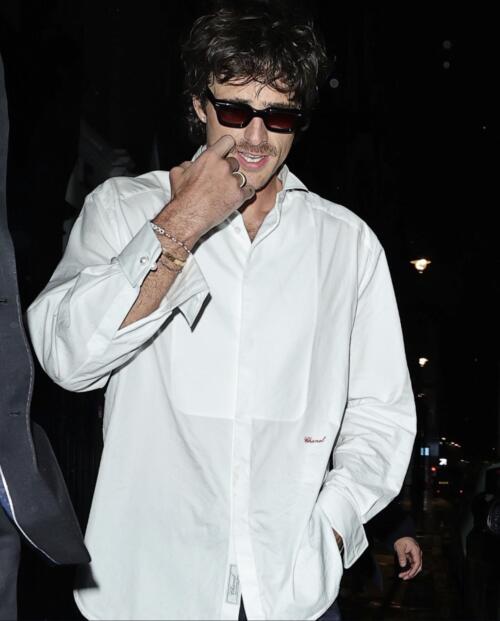
Charvet was a natural choice for Chanel, having what Hilditch & Key Paris did not, despite the latter’s long history with Chanel. Charvet has – particularly to foreigners – a quintessential Frenchness.
And Charvet has its own workrooms, meaning it can actually still make prototypes for Chanel’s couture or the occasional high-profile collaboration to set people talking, like the recent catwalk model it made for Chanel designer Matthieu Blazy.
Will Chanel maintain what is quintessentially Charvet? The incomparable cloth room, the beautifully fragile ties, and the splashy dressing gowns are indissociable from Charvet’s identity. I think they will remain, an essence of Charvet like its rare perfume bottles.
Will Chanel leave Charvet’s secret and forgotten corners, where surprising things can still be found, undisturbed? Time will tell. Chanel has bought Charvet, and Chanel has bought Charvet time.
*The pen name for the author, a PS reader and frequent forum contributor