



 4m
4mIn a rather nondescript room in a co-working space, a panel of architectural minds are meeting to make a big decision: what is the worst new building in the UK?
“I don’t mind big, but it could be big and good, and this seems to be big and bad.”
“I hate it, but is it the worst building within a 200-metre radius?”
The group of six form the panel for the Carbuncle Cup, an award run by The Fence magazine. The name comes from King Charles’ 1984 speech criticising a proposed extension to the National Gallery.
Members of the public and the experts themselves can nominate a building for the prize that seeks to find the worst, ugliest construction that was completed in the past year.
Architecture writer, Catherine Slessor, pictured below, is chairing the panel and points out that the award is not just about aesthetics.

“I think every building’s got a story behind it. Ugliness is a subjective thing, so what might be ugly to some people might be gorgeous to others. I think it’s to do with laziness and why was this built in the first place.”
The writer Phineas Harper, also on the panel, agrees. “Architecture is much more complicated and interesting than just how it looks. There’s so many ways a building can let you down.”
The panel looks through a range of nominees from student housing in London to residential properties in Leeds, but it is clear there are two frontrunners.
‘Perfection in a very dark sense’
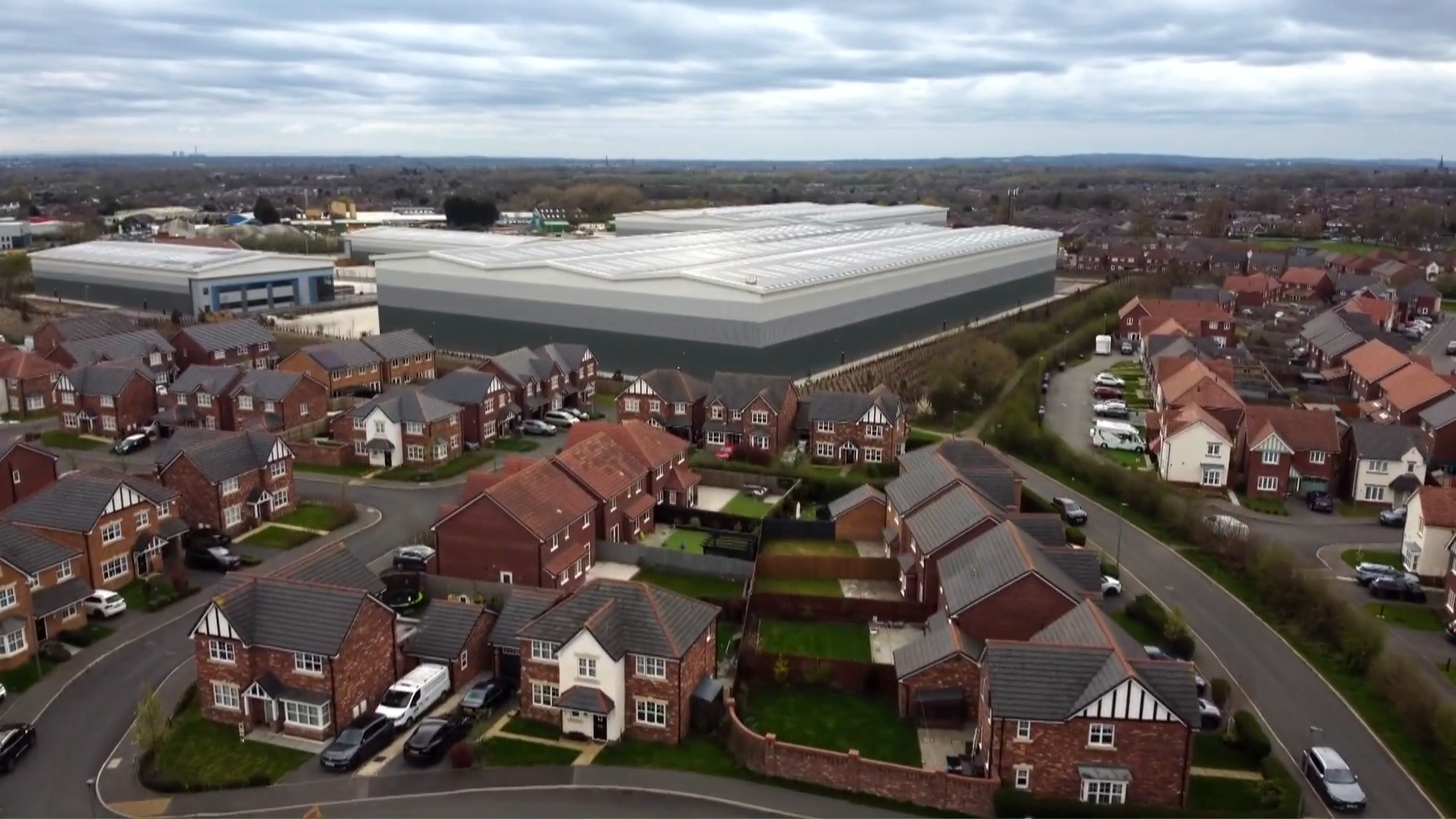
Four, huge looming structures dominate the Astley Business Park in Greater Manchester. The logistics warehouses are not just a blight on the landscape, according to residents. They have also complained about noise, flooding and a lack of consultation.
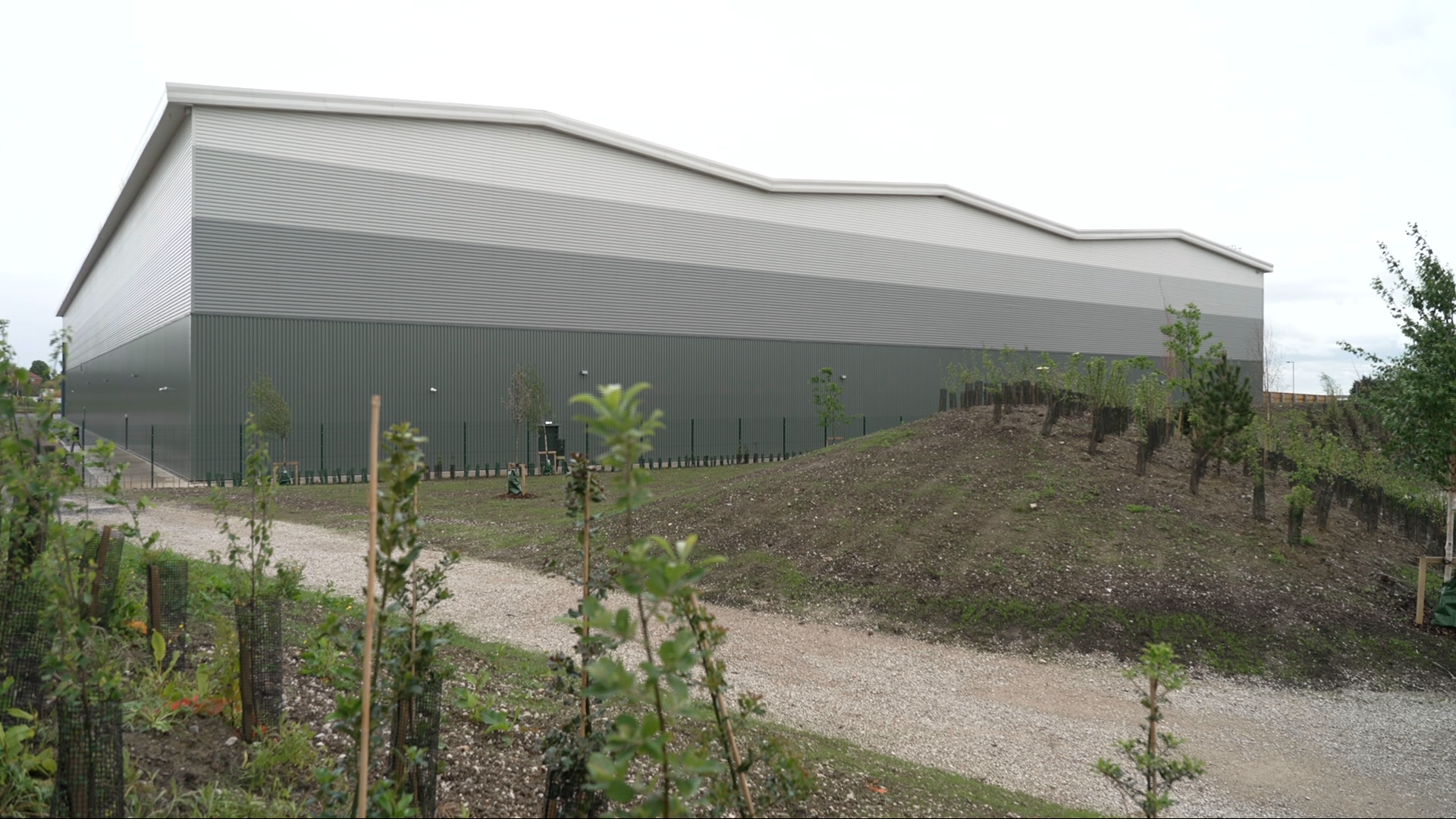
Resident Steve Retford tells us: “We used to have clear sky at the end of the garden, but now you’ve got 60-foot high warehouses. We feel so wronged. The scale and speed that they were put up was unbelievable. They deserve an award for the speed they put them up.”
Discussing the Astley buildings around the table, Harper, pictured below, says: “This type of enormous warehouse has no civic presence. There is no future use to this. This could not be converted into a tasteful school or a decent place to live.”

Lev Bratishenko, a writer on the panel, adds: “It’s also symbolic of the 21st-century perfection of the warehouse. Perfection in a very dark sense. I think for me it also represents this trend to data centres.”
Wigan Council and developers, PLP, did not wish to comment on the Carbuncle Cup, but the council has previously said that an independent audit confirmed it had adhered to national planning regulations and PLP said it delivered this scheme in accordance with that guidance.
‘They’re everywhere’
“These buildings are like ten a penny, they’re everywhere,” says Bertie Brandes, a writer at The Fence magazine who is on the judging panel. “What is the point of building all of these houses if the actual experience of living in them is absolutely negative for everybody in there?”
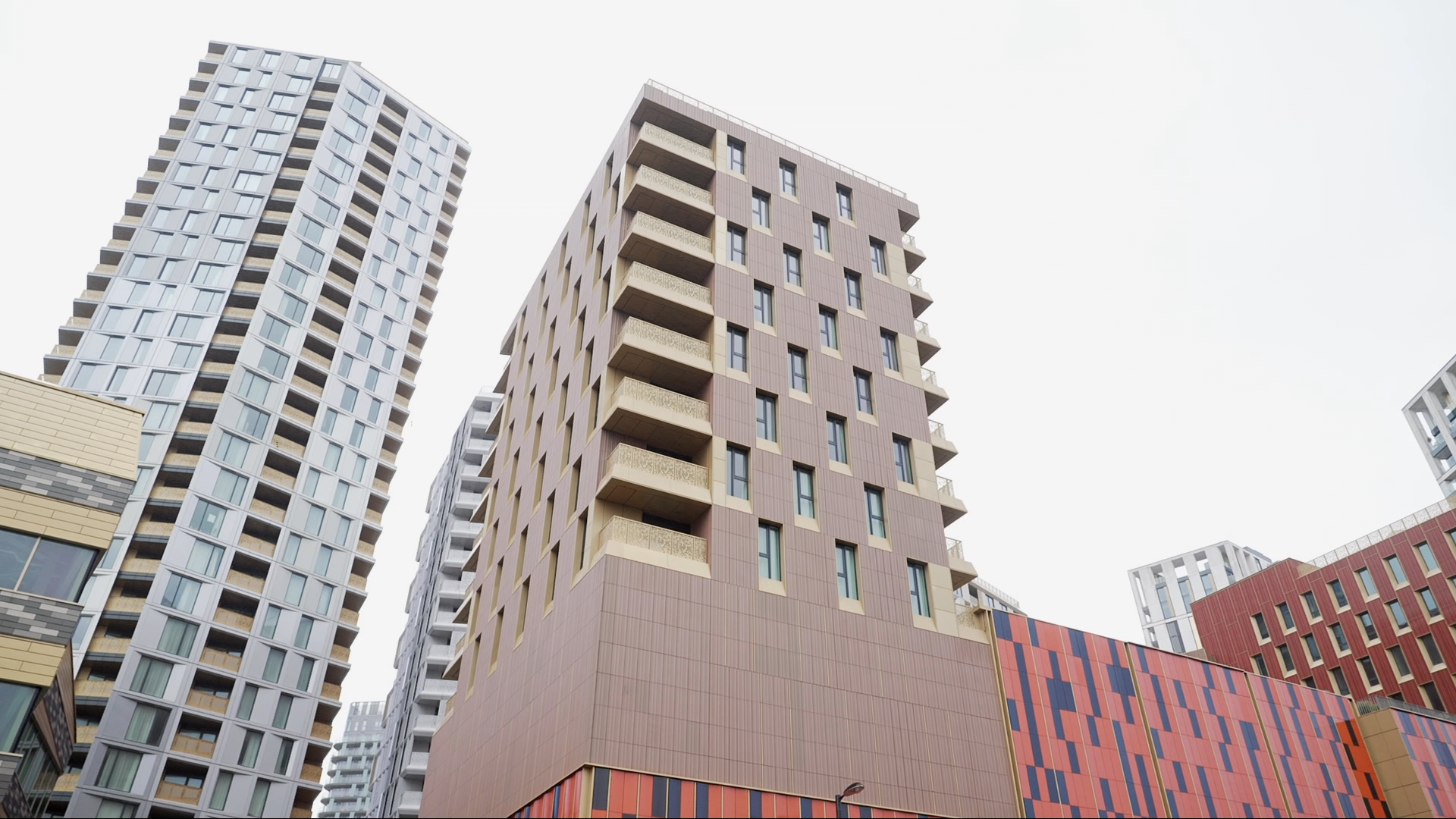
She is talking about The Filigree, a major housing and commercial development in Lewisham, London. Residents had to evacuate last year after flooding in the building’s plant room led to a loss of power. The Filigree is still vacant.
“Bertie’s right, this is so common in London. They’re everywhere,” says Slessor.
The newly elected Green Mayor of Lewisham, Liam Shrivastava, has criticised The Filigree and tells me: “What we as a council expect to see from developers and landlords is good quality, well designed and genuinely affordable housing that is built to last, is sustainable and that speaks to its context.”
The architects and the developers of The Filigree didn’t offer a comment on the Carbuncle nomination.
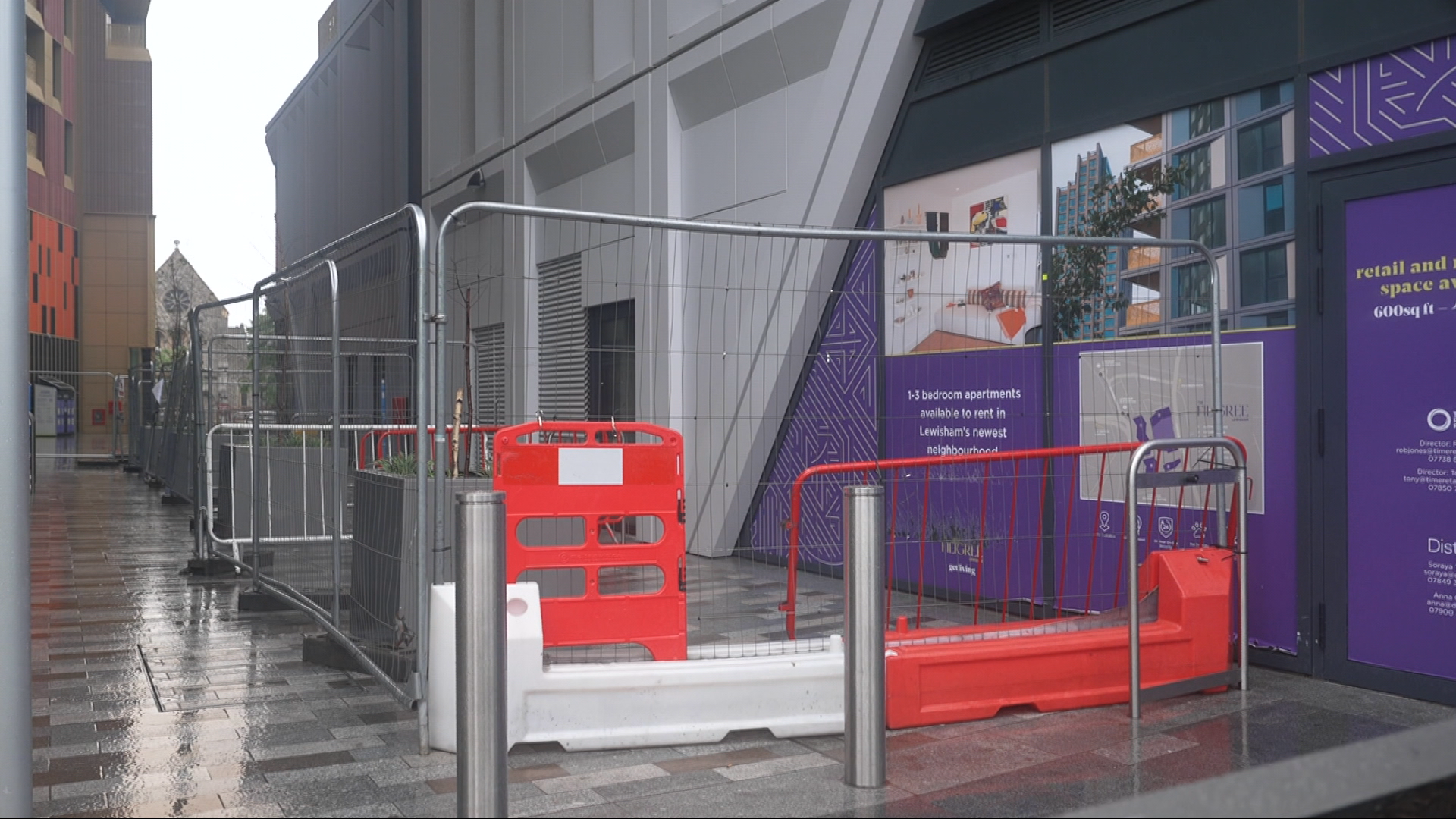
The landlords, Get Living, told us: “When The Filigree reopens, it will bring meaningful and lasting benefits to Lewisham, including more than 100 affordable homes and a compelling mix of retail and leisure amenities for the area to enjoy, including a new cinema.”
A message to the winners
The panel of six hold a vote. The result: three for The Filigree and three for the Astley warehouses. For the first time, the Carbuncle Cup will be shared.
I ask them what the message is to the winners. To knock these buildings down or something else?
“I would say they need architects the whole way through the process,” says Will Pelham, of The Fence magazine. “I think what often happens is the architect’s role gets sort of cut off at one point. They deliver the drawing, they deliver the proposal. And then when it goes through the development process and gets kind of squeezed, you lose a lot of the quality.”
It’s clear that for the panel, the winners of this year’s Carbuncle Cup is a message and warning. Do we want huge warehouses or data centres by our back gardens? And do we want identical high rises as the Government tries to build more than a million homes by the end of this parliament?
Thanks for reading the latest edition of our newsletter. Subscribe below to keep up to date with Channel 4 News on Substack.