



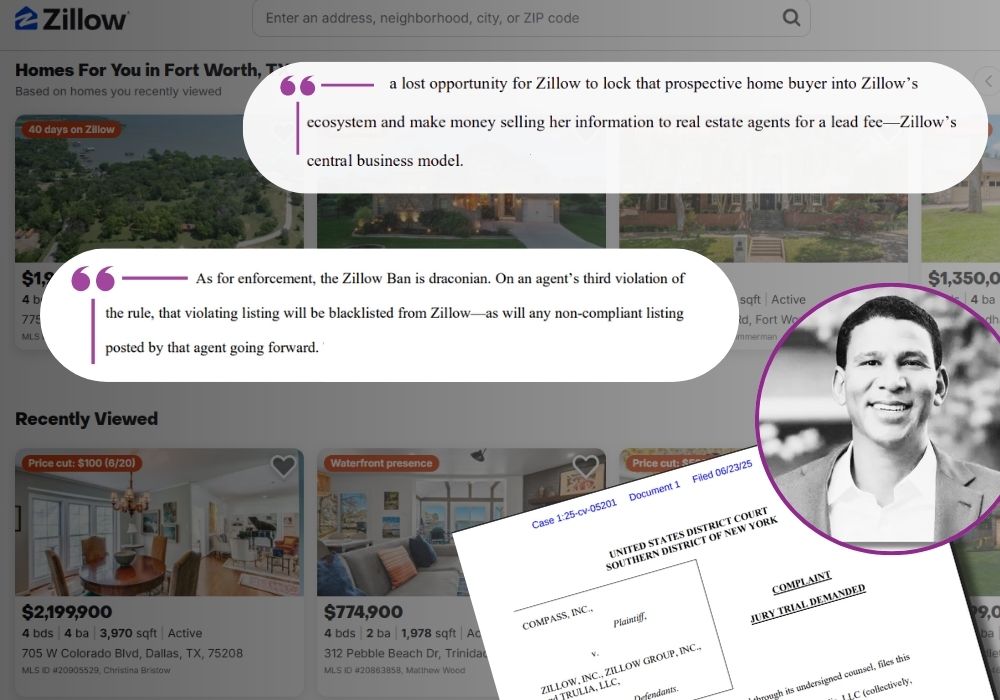
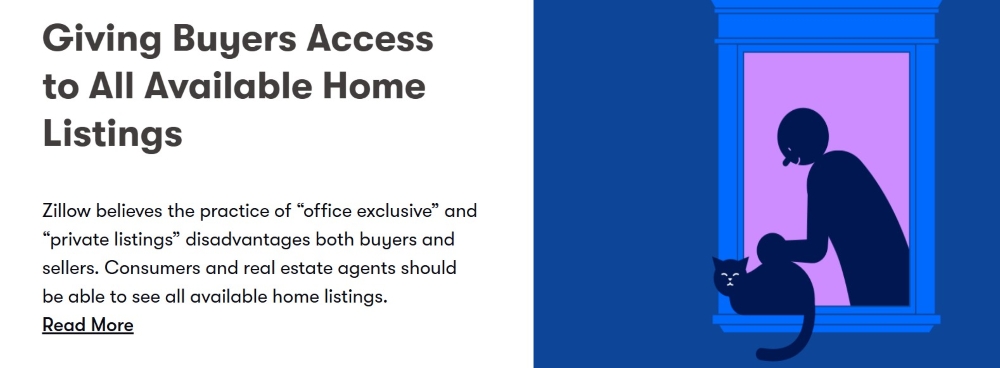
Let’s clear something up: Compass isn’t suing Zillow for banning private listings. That’s a common misconception about the high-profile antitrust lawsuit Compass filed this spring. In fact, some private listings — sometimes called “office exclusives” — are still allowed under Zillow’s policy.
What the lawsuit is really about is Zillow’s Listing Access Standards, and the stiff penalties agents face for marketing listings anywhere but Zillow first. CandysDirt.com spoke with a Compass representative who clarified the company’s concern and highlighted some FASCINATING direct quotes from the Compass complaint. Frankly, some parts of the 60-page complaint read like Succession-esque boardroom drama.
In May, Compass sued Zillow in federal court, calling the Listing Access Standards an unfair restraint of trade that limits how agents can serve their sellers. According to Compass, it’s a monopoly tactic masquerading as fairness.
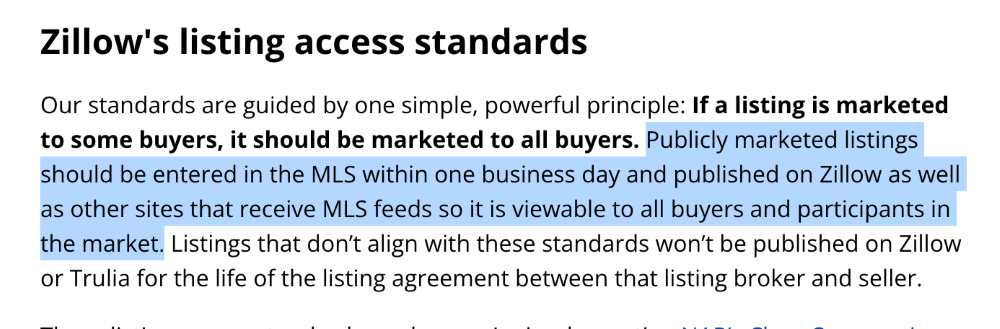
The complaint is loaded with bold allegations about how Zillow wields its market dominance. Among them:
- “Instead of competing on the merits for home sellers, home buyers, and the agents who work for them, Zillow has sought to rely on anticompetitive tactics to protect its monopoly and revenues in violation of the antitrust laws.”
- “The Zillow Ban seeks to ensure that all home listings in this country are steered on to its dominant search platform so Zillow can monetize each home listing and protect its monopoly.”
The penalties are significant. Under Zillow’s Listing Access Standards, any listing that is “publicly marketed” must appear on Zillow within one business day. If it doesn’t, Zillow can pull the listing. If a seller wants it back on Zillow, they have to terminate their agent and brokerage entirely.

Compass argues that this system punishes agents and brokerages that use alternative marketing approaches. Its 3-Phased Marketing Strategy, which starts with a Compass.com-only “Coming Soon” stage before going public, has become a major point of contention. According to the lawsuit:
“Zillow doesn’t like the 3-Phased Marketing Strategy because Zillow can’t make money selling leads off listings in Phase 1 and Phase 2 where they don’t have the listings.”
Compass CEO Robert Reffkin put it this way:

“Imagine if Amazon banned a seller for offering a product on their own website first. That’s what Zillow is doing in real estate.”
Reffkin continued, “This lawsuit is about protecting consumer choice. No one company should have the power to ban agents or listings simply because they don’t follow that company’s business model. That’s not competition. It’s coercion.”
Zillow, for its part, has said it will “vigorously defend” the policy, maintaining that the standards are about creating a fair marketplace where all buyers have equal access to listings. “Amid the noise, we in the industry would do well to remember what matters most: consumers,” Zillow CEO Susan Daimler wrote in an op-ed in February 2024.
But Compass claims that even agents who follow NAR’s Clear Cooperation Policy and MLS rules can still get caught in Zillow’s trap. One line from the lawsuit underscores the confusion:
“An agent can have a Private Exclusive listing that follows all CCP and MLS rules, yet nonetheless violates the Zillow Ban — an incredibly precarious and confusing scenario for home sellers and their agents.”
The Compass lawsuit goes further, alleging that Zillow’s goal is to control the entire pipeline of listing exposure — and that it has conspired with competitors to do it. The lawsuit details:
- “The first public evidence of the conspiracy surfaced on or around February 6, 2025, when Zillow and co-conspirator Redfin—despite being competitors with one another in the market for residential real estate online search services—announced a strategic partnership.”
- “Through the conspiracy, co-conspirator Redfin agreed to adopt a virtually identical policy as the Zillow Ban and co-conspirator eXp likewise agreed with policy.”
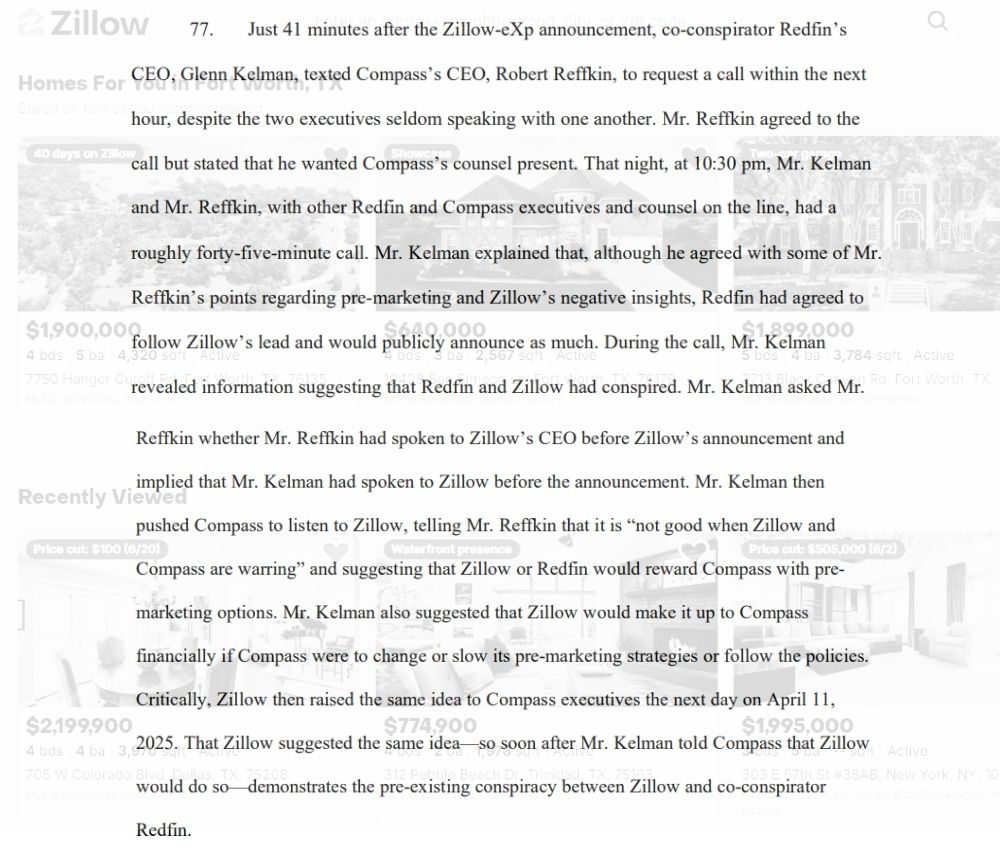
The complaint offers details of a curious late night exchange between CEOs. It claims just 41 minutes after the Zillow-eXp announcement, Redfin CEO Glenn Kelman reached out to Compass CEO Robert Reffkin for a call that night. During the conversation, Kelman allegedly suggested that Compass follow Zillow’s lead — and that they could be financially rewarded if they did.
Compass also accuses Zillow of hypocrisy, citing its own history of pre-marketing homes through its now-defunct “Coming Soon” listings and the more recent partnership with Opendoor, which allows sellers to bypass the MLS entirely.

“Even today, Zillow is still telling home sellers to sell off the MLS using the Zillow platform when Zillow can make money from it,” the complaint states. “Zillow and Opendoor point to the same benefits that Compass does.”
And Compass says Zillow’s strategy is clear: use its dominance to act like a regulator, controlling what brokerages do even outside Zillow’s own platform.
“Zillow is so comfortable with its size and power that it has adopted a policy that governs what other real estate companies can do on other platforms than Zillow,” the lawsuit reads.
The case is now winding its way through the courts, but the implications are already sending ripples through the industry. Zillow, Redfin, and eXp have not yet responded directly to the specific claims in the Compass lawsuit in court filings. All three companies have previously defended their listing policies in public statements, emphasizing fairness and transparency for consumers.
In the meantime, the rest of the industry is watching closely. Because this lawsuit isn’t just about two big names going head-to-head. It’s about who gets to decide how homes are marketed in the digital age — and who gets to profit from it.