



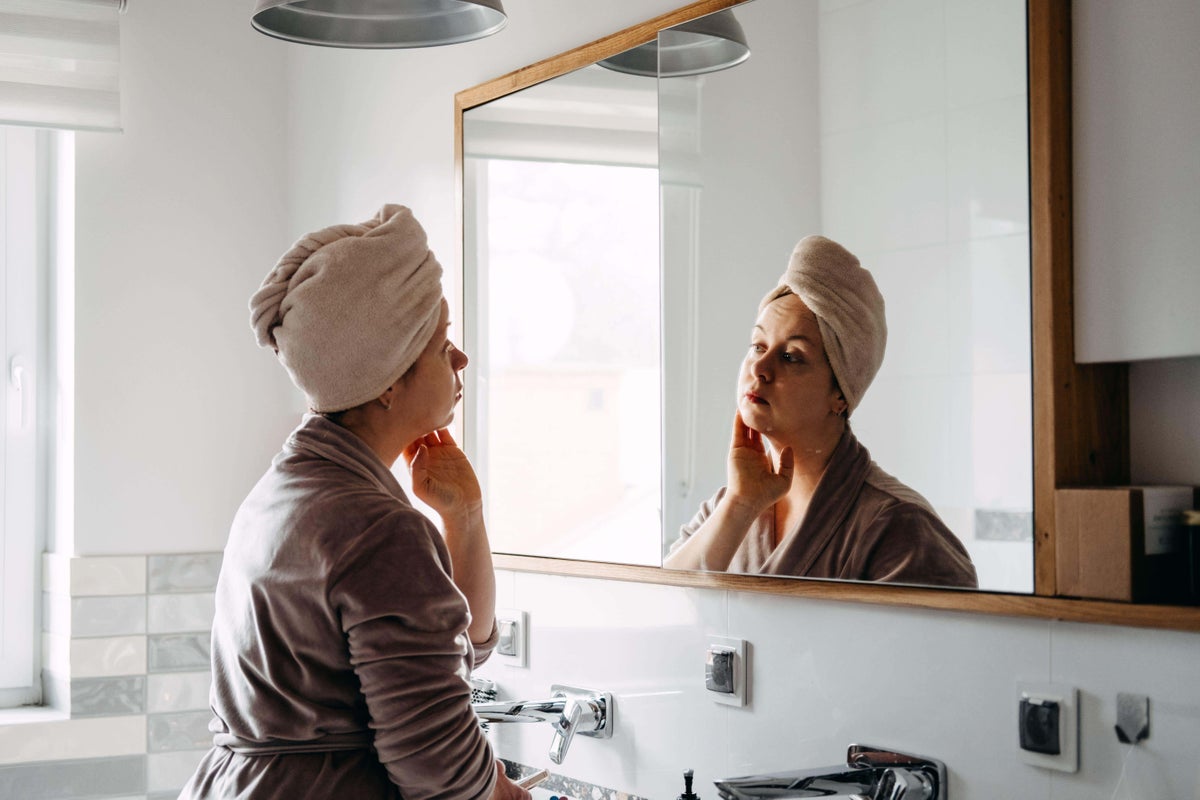
Acne is often seen as something we leave behind in our teenage years – but for many, breakouts persist well into adulthood, often becoming even more frustrating in the process.
Unlike adolescent acne, which tends to follow a more predictable pattern, adult acne can feel erratic, reactive and harder to treat.
Hormones, stress, lifestyle and well-tailored skincare can all play a role, say dermatologists and facialists, who share the secrets behind adult acne and how to treat it properly.
Why adult acne is more complex
While acne at any age shares the same basic biology, adult acne tends to behave differently, explains advanced facialist Mariam Abbas.
“Acne is more commonly categorised as inflammatory and non-inflammatory, rather than simply ‘teenage’ or ‘adult’ acne.
“The basic physiology […] involves a blocked pore made up of excess sebum, dead skin cells and changes within the follicle,” she says.
However, she notes that adult acne is typically “more complex”, often appearing around the jawline, chin and lower face.
From a clinical perspective, dermatologist and Dermatology M founder Dr Mazin Al-Khafaji describes adult acne as “deeper, more inflammatory, and more persistent,” often with a chronic, relapsing nature.
Cellular turnover also tends to be slower in adult skins, meaning breakouts can take longer to heal and are more likely to leave behind pigmentation.
The real causes behind adult breakouts
Adult acne rarely comes down to one single trigger, instead, it’s usually a combination of internal and external factors.
Hormones remain a key driver. “Hormonal acne may be linked to the menstrual cycle, perimenopause or menopause,” says Abbas, with fluctuations in oestrogen and androgens affecting oil production and inflammation.
Aesthetician and skincare consultant Katharine Mackenzie Paterson, an ambassador for Korean skincare brand Haruharu Wonder, points to “changes in oestrogen, testosterone and progesterone” as common culprits – particularly during life transitions like menopause.
Stress is another major factor. Elevated cortisol levels can disrupt hormonal balance and increase inflammation, creating an environment where acne is more likely to develop.
“Not getting enough sleep, alcohol consumption and elevated stress levels from working lifestyles or running a home or family” can all contribute, says Paterson.
Why over-treating can backfire
One of the biggest mistakes people make when dealing with adult acne is trying to do too much.
“Adults tend to have more access to skincare and aesthetic treatments,” says Abbas, “and using too many actives or overly aggressive products can compromise the skin barrier and perpetuate inflammation.”
Al-Khafaji warns that “harsh cleansing, excessive exfoliation and overuse of strong products can damage the skin and prolong the condition.”
So stripping the skin in an attempt to ‘fix’ it can actually make things worse.
What your skincare routine should look like
When it comes to treating adult acne, consistency and simplicity are key.
“Cleansing is fundamental,” says Paterson, who recommends double cleansing in the evening to properly remove make-up, SPF and pollution – particularly for those living in cities.
After cleansing, hydration should be the focus. Paterson says lightweight products are ideal, especially for oilier skin types, helping to maintain moisture without overwhelming the skin.
SPF is also essential. Not only does it protect the skin, but it also helps prevent post-inflammatory pigmentation from worsening, especially when combined with the brightening effects of vitamin C.
From a treatment perspective, ingredients that support cell turnover and regulate oil production can be helpful, such as benzoyl peroxide and retinoids – but should be introduced gradually and used consistently.
CeraVe Blemish Control Face Cleanser with 2% Salicylic Acid & Niacinamide for Blemish-Prone Skin, £10.97, Boots
Beauty of Joseon Red Bean Water Gel, £15.50, Look Fantastic
Garnier Vitamin C Daily UV Brightening Fluid Invisible, SPF50+, £12.99, Superdrug
Acnecide Face Gel Spot Treatment with Benzoyl Peroxide, £8 (was £9.99), Look Fantastic
The biggest mistakes to avoid
“Over-treating the skin with multiple strong products, damaging the skin barrier through excessive cleansing or exfoliation, and changing treatments too frequently,” are all pitfalls people can fall into, says Al-Khafaji.
Another major issue is impatience. Acne takes time to improve, and constantly switching products can disrupt progress.
Picking or squeezing spots is also a key mistake, he says, increasing the risk of scarring and prolonging inflammation.
Importantly, many people focus only on topical treatments while ignoring internal factors, but “diet, stress, sleep and hormonal health all play a role,” says Al-Khafaji and need to be considered as part of the bigger picture.
How to treat pigmentation and scarring
Even once breakouts settle, post-inflammatory pigmentation such as red or brown marks left behind, is particularly common in adult skin due to slower healing.
“Supporting the skin’s natural repair processes” is key, says Al-Khafaji. Ingredients like bakuchiol and peptides can help stimulate collagen production and support regeneration, without the irritation often associated with stronger, chemical retinoids.
However, deeper scarring – where the skin’s structure has changed – may require professional treatment, or stronger vitamin As like prescription tretinoin.
Medik8 Bakuchiol Peptides, £55, Space NK