



Young children use training wheels for bicycles. Adolescents get smaller-sized playing fields for soccer. Those baby steps assist growing bodies. In the same way, aspiring pointe dancers can benefit from pre-pointe training. Dedicated pre-pointe classes offer numerous advantages and help students fully prepare for the rigors of pointe work.
Institutions like Pacific Northwest Ballet School and Ballet West Academy are two examples where pre-pointe classes are offered in addition to ballet technique. Other schools, like Central Pennsylvania Youth Ballet and American Ballet Theatre’s Jacqueline Kennedy Onassis School, have pre-pointe integrated into weekly technique classes. Many European ballet schools incorporate the use of demi-pointe or demi-soft shoes. The specialized shoes typically have a hard toe box, with a ½ shank or shankless insole, giving students the feel of a pointe shoe without rising to full pointe.
However schools choose to set up their training programs, preparing dancers before they get fitted for pointe shoes is of the utmost importance. Rather than rushing onto pointe, thoughtful, mindful training reaps numerous rewards.
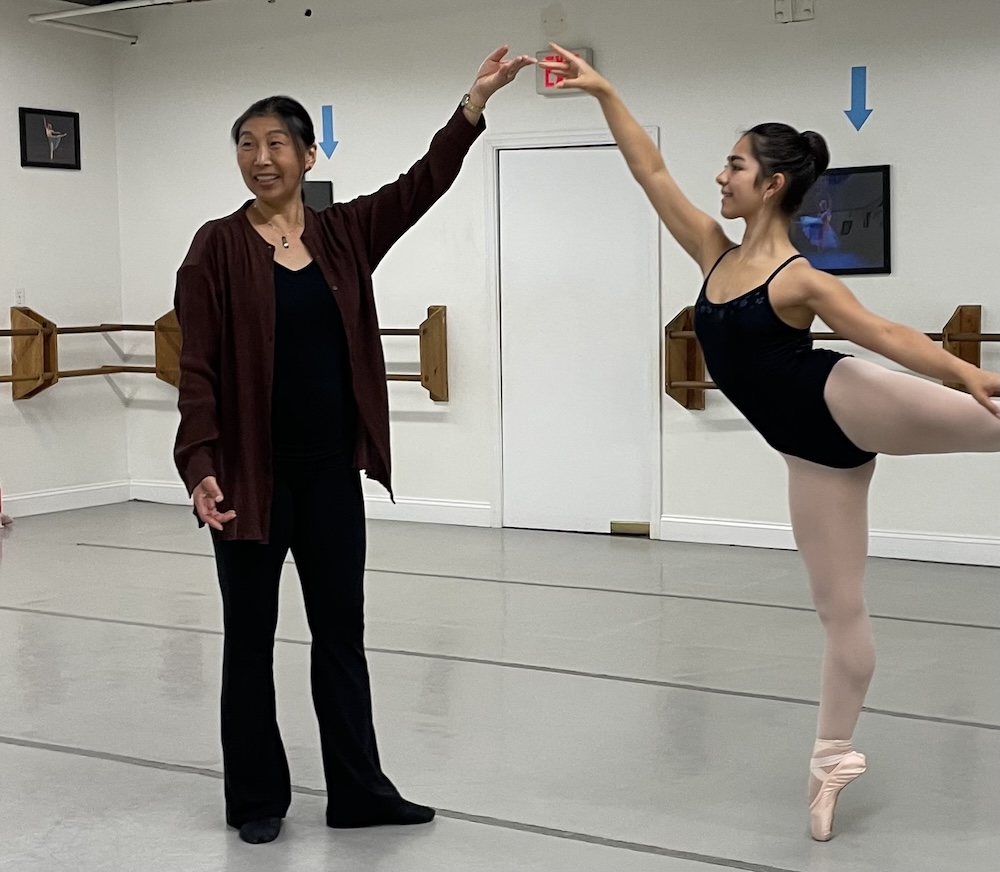
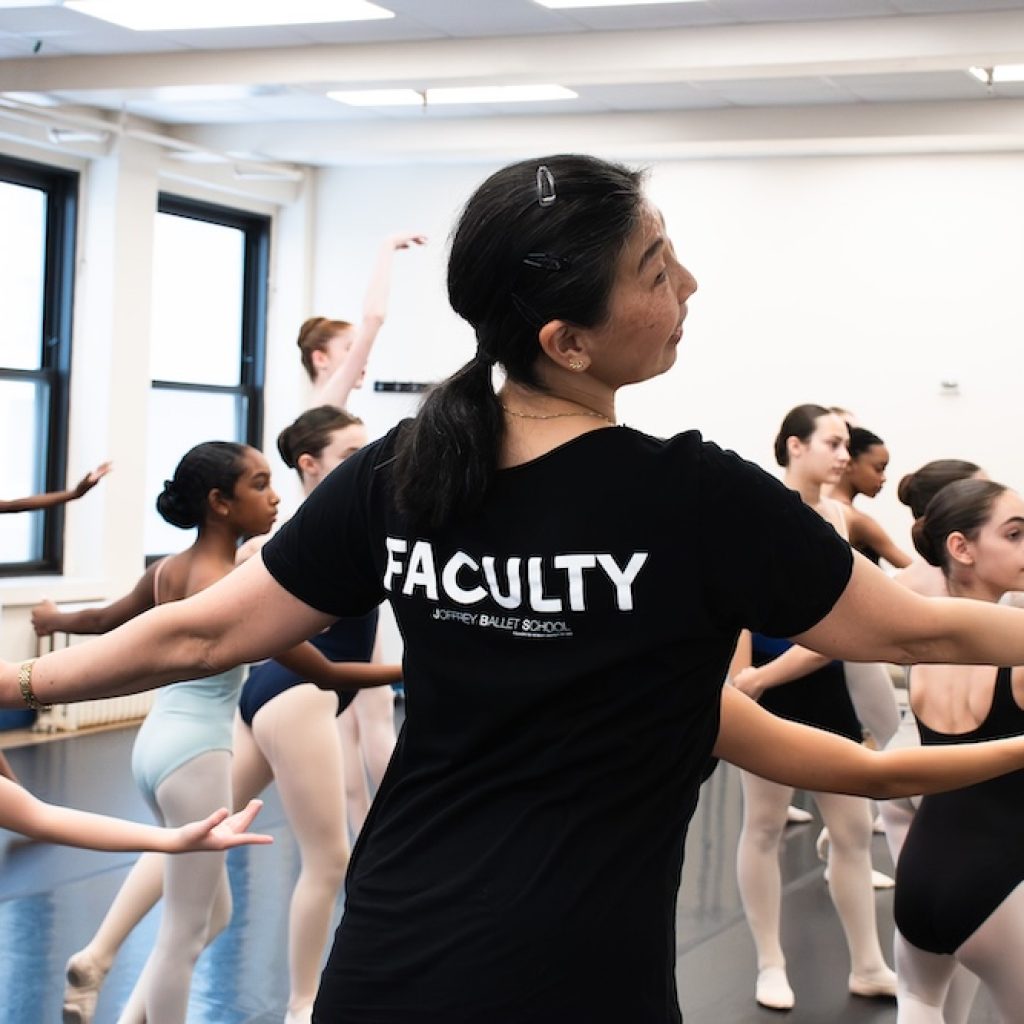
Tomiko Magario is a longtime teacher at the School at Steps and the Joffrey Ballet School in New York City. She has developed her own pre-pointe syllabus, with most of her students starting around age 12. That is an age, she feels, where instructors have to be cautious because dancers are still developing both physically and mentally.
Magario explains, “Beginner pointe can be overwhelming because the dancer is simultaneously learning new combinations, dealing with new physical sensations, learning to balance in a new way, and thinking about staying safe and not falling.” Her approach is to remove some of that cognitive load: learn the combinations first, develop the necessary strength and alignment, then introduce the pointe shoes and their new sensations.
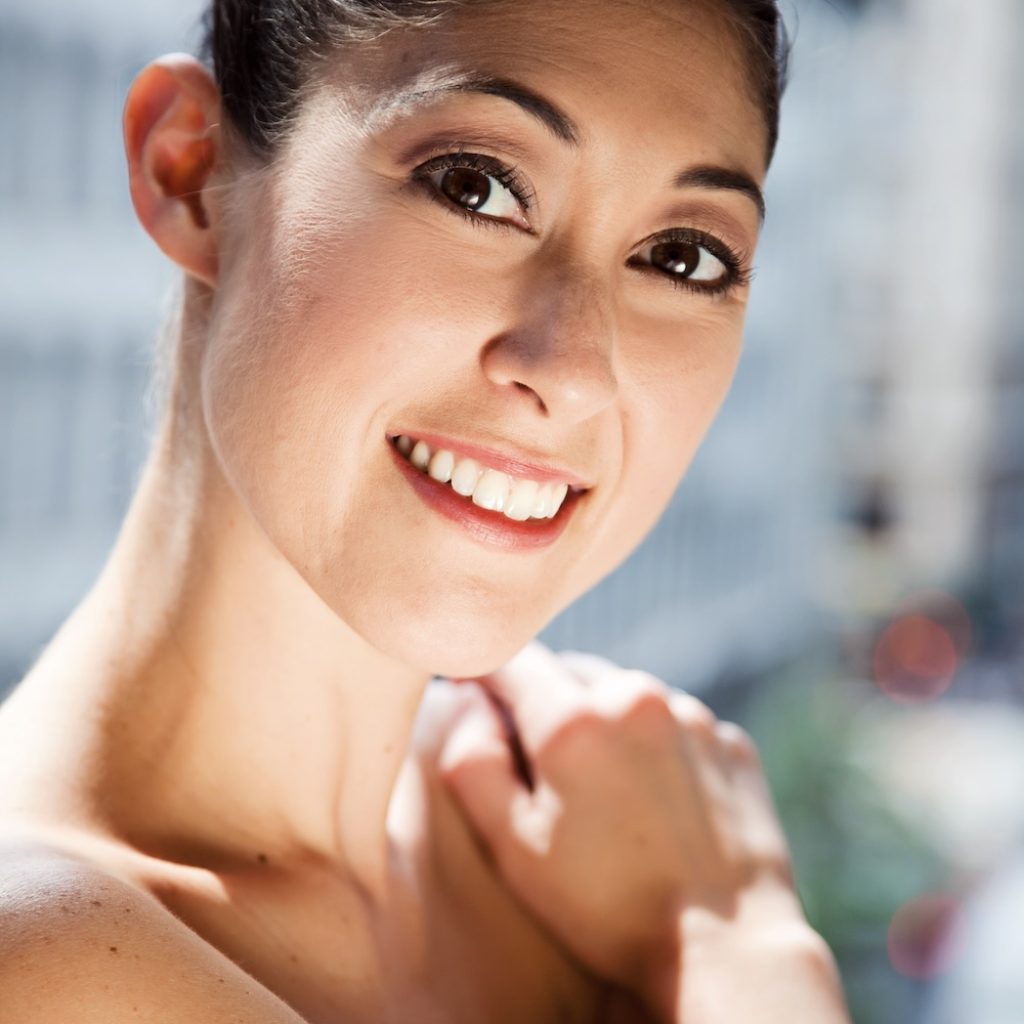
Therese Miyoshi Wendler, Artistic Director of Queen Emma Ballet in Honolulu, says a true pre-pointe class offers a logical progression toward pointe work. Her classes focus on foot strength, ankle stability, calf strength, retaining turnout, balance, core control and proper weight distribution.
Anxious parents will often ask when their child is ready for pointe based on age or number of years of study. Magario cautions, “Age is only a guideline. Dancers mature at different rates. Motor skills, placement and strength are related, but they are not the same thing.” She adds that a technically talented dancer may still not have a body that is ready for pointe. She stresses that students need approximately two years of concentrated ballet training, rather than simply taking ballet once a week.
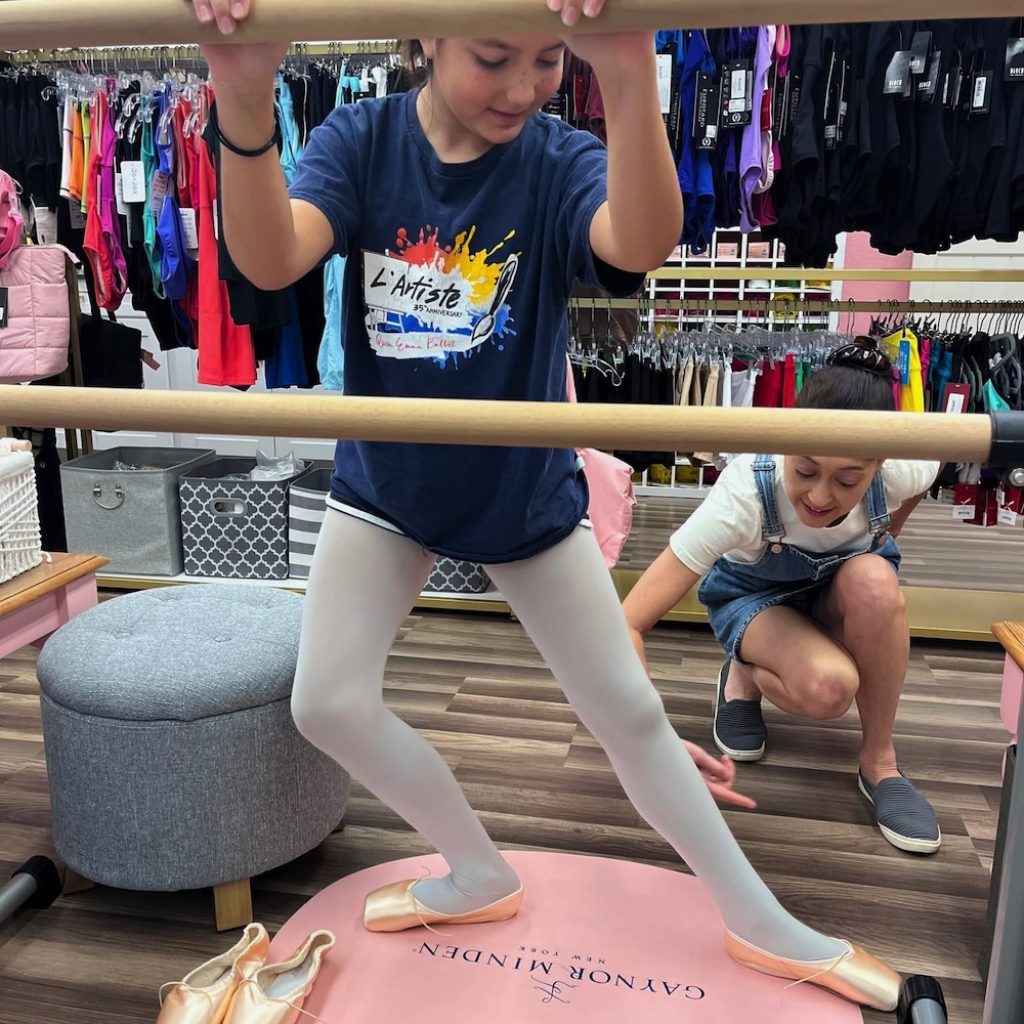
Magario adds, “Parents don’t always understand how precisely pointe shoes need to fit, that shoes may need to be replaced as feet grow, that shoes break down, that students need time to learn how to use the shoes, and that pointe may initially be uncomfortable.” Some students may need to be held back for physical reasons that cannot simply be solved by “working harder.” Wendler says, “Safety is always my priority. Without the necessary strength and focus, the experience will be difficult and less enjoyable.”
There are basic skills that a dedicated pre-pointe training system offers young dancers. Wendler wants her dancers to achieve a strong, controlled, high relevé with proper alignment. They must maintain control and demonstrate the strength to support their body weight through the feet, ankles and core. Magario agrees and has readiness assessment tests that include alignment in parallel, retiré balance on flat, and parallel relevé walks on straight legs. Her students must also memorize a 16-count exercise and repeat the exercise four times consecutively.
The training isn’t just for dancers’ feet. Wendler says that whole-body awareness helps in learning to stand on such a small platform. It helps her dancers learn how to use their muscles, coordinating feet, ankles, legs, core, and upper body to establish stability, alignment, and balance en pointe. She implements exercises using TheraBands and tennis balls. “These exercises not only build strength, but also allow students to develop awareness of how they are using their bodies, which is beneficial for injury prevention.” She mentions how the dancers develop a sense of confidence when they start to understand their own bodies.
Dedicated pre-pointe classes allow instructors to work on some common problems that can hold a dancer back from success en pointe. These can include sickling of the feet, lack of core strength and lack of focus. For Magario, areas of concern include crunching the toes, poor articulation through demi-pointe and weakness through the metatarsals. Both instructors address the alignment of the ankles in relevé, use of core muscles and pelvic alignment.
To achieve the desired goals of strength and proper alignment, Wendler works on calf raises and hip raises (shoulder bridges) with a ball between their calves. Magario often begins with floor exercises designed to establish the same goals. She says she likes to work on foot exercises because many young dancers have, in her words, “crunchy toes.” She incorporates foot massage, spreading the feet, wiggling the metatarsals, moving the toes and articulation exercises.
Pre-pointe classes can prevent injuries. Wendler says, “The exercises we implement using TheraBands and tennis balls focus on proper ankle alignment and build strength in the feet, ankles, inner thighs and the back of the legs which helps lift the hips instead of sinking into the ankles.” She adds that they can use these benefits when taking regular ballet class as well.
Magario makes sure the students do not sickle their feet. She feels that sickling can be a difficult habit to correct and notes that it can lead dancers to compensate elsewhere in the body, including overusing the gluteus maximus and hip flexors. She adds, “Once a dancer is en pointe, certain incorrect patterns become much harder to correct.”
Wendler advises teachers not to feel pressured to put students en pointe if they are not ready. Magario explains that teachers need to understand not just what exercises to give students, but why those exercises are appropriate. She wisely adds that all educators need to teach the dancer in front of them, rather than making decisions based on “tradition, style or generalized expectations.” She boils it down to the simple idea of first, do no harm, explaining that pointe should be the sensible next step rather than something the dancer is physically unprepared to do.
For Wendler, it is a continuous learning process, and pointe work is highly individual. “But it is so exciting for each student. For the student and the parents it is such a unique and special skill to be learning. Please don’t rush it. Take the time to build the strength and be diligent in working toward going en pointe.
By Mary Carpenter of Dance Informa.