

![[Interview] Could musicians and dancers in Europe revolt against AI using their work? ‘It should be possible’, says performing arts boss](https://i1.wp.com/static.euobserver.com/2026/09/Orchestra-Photo-14719432-2400x1600.jpg?w=1920&resize=1920,1267&ssl=1 "[Interview] Could musicians and dancers in Europe revolt against AI using their work? ‘It should be possible’, says performing arts boss")
The debate around AI and the creative sector often revolves around authorship and copyright.
Someone creates something; an article, a piece of music, a book, and AI companies take that and use it to train a machine that can then regurgitate that work in a different context or order.
But what if you are a musician, actor or dancer who is not an author? When your salary is paid for performing the work authored by someone else? Who has the right to say what happens to what you create?
Interestingly, this question breaks down into two parts. As a performer – let’s say a oboe player in an orchestra – the rights to a recording of a piece of music are often owned and sold by whole chain of actors. The orchestra contracts a record label who records the performance, which perhaps is owned by a distributor, which in turn is owned by another company, who then can decide to sign a license agreement with an AI company to use that performance for training purposes.
In an era where AI regurgitation trained on everything ever made and performed is becoming ubiquitous, that is an obvious problem.
The oboe player, however, retains an under-appreciated yet unalienable rights called ‘neighbouring rights’, which protects the resulting product from being presented or distributed in a way that would damage their reputation. Remember that term.
Representing performing artists across Europe, the Association of European Performers’ Organisations (AEPO-ARTIS), is grappling with this issue. EUobserver spoke to their secretary general, Ibán García del Blanco.
This interview has been edited for clarity and length.
EUobserver: Could you introduce yourself, explain what AEPO-ARTIS does, and give us a basic explanation of neighbouring rights?
Ibán García del Blanco: One of my main aims is to make it understandable to ordinary people how neighbouring rights work and what we are really doing. Sometimes I have the feeling that this is a debate reserved for technically sophisticated people, although we are speaking about something as important as creativity, Europe’s cultural heritage and our cultural lives.
We represent performers, not authors. That is the main distinction when we talk about neighbouring rights. We protect the work of the people performing cultural and artistic works: musicians, including the non-featured musicians who are essential to the performance of music, and, in the audiovisual sector, mainly actors.
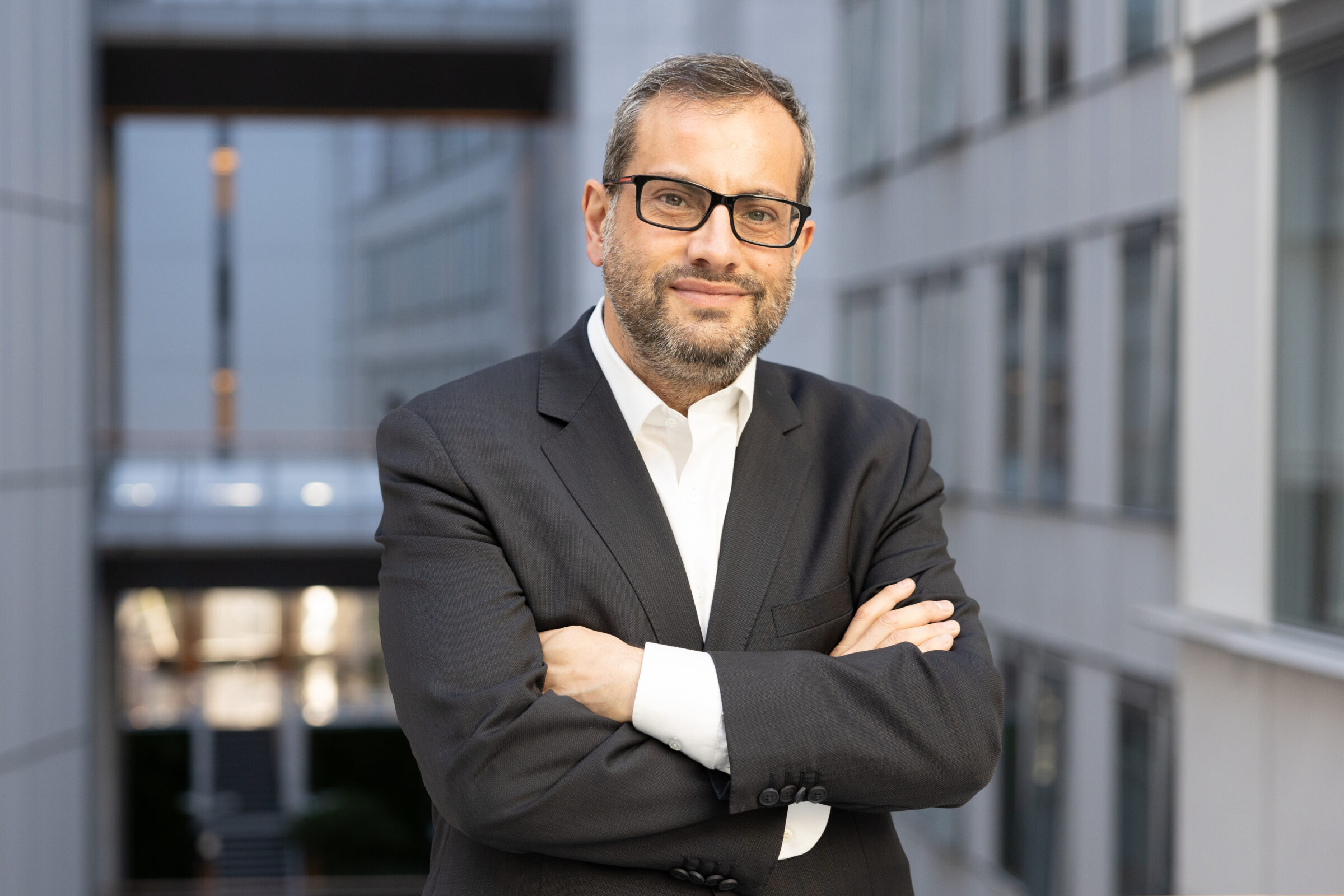
Ibán García del Blanco is a Spanish lawyer and former Socialist MEP who served in the European Parliament from 2019 to 2024, specialising in artificial intelligence, copyright and cultural policy. He became General Secretary of AEPO-ARTIS in August 2026.
Were you ever an actor or musician yourself?
No. I have two sisters who play piano. I was the one who went in another direction. My father guided me towards chess, and I played chess for many years when I was young. I missed that opportunity.
Has AI become the principal challenge facing performers?
At present, it is one of the main challenges, and in the near future it will be the biggest.
The position of performers is already less protected than that of authors. I am not saying that the regulation for authors is perfect — there is a lot of room for improvement — but the situation for performers is even worse. Conditions are not equal among performers either. If you compare music and audiovisual performers, the protection and guarantees are not the same.
Now we also face the substitution effect that AI is already producing and could produce in the future. We lack a real impact assessment of what is happening now and, more importantly, what will happen in the future.
As a society, we face a real risk of pushing human creativity aside and substituting it with machines. I am not in favour of breaking computers, but we must ensure that human creativity and human beings will continue to have a place in our lives and are not replaced by tools that, at the end of the day, imitate more than they create something new.
You helped negotiate the EU’s AI rules, but you do not believe the current rules adequately protect performers. What did policymakers get wrong?