



The U.S. national debt has crossed the $40-trillion mark thanks in part to President Donald Trump’s Iran war and tariffs, along with pandemic spending during the first Trump term and by the Biden administration.
But how concerned should the average American be about the impact of this colossal sum on their personal finances?
Very, according to a number of economic and financial experts.
“Our federal programs spend much more than the government takes in,” Margaret Spellings, CEO of domestic policy think tank Bipartisan Policy Center, said in a statement Wednesday. “Federal debt is already raising the cost of living and choking out other spending and investment, threatening our economy and Americans’ long-term prosperity.”
As the debt climbs, some experts are worried that the U.S. is heading for disaster. A recession could hit the country in 2027, Baker Spring, a former advisor to the U.S. Senate Committee on the Budget, told The Independent in July. The country is spending too much money on the interest it owes on its debt, and that’s a warning sign that could lead to a recession, he said.

“The country is increasingly borrowing simply to pay the interest on what it already owes. When two-thirds of every new dollar borrowed disappears into interest payments, you are no longer financing the future – you are financing the past,” Spring said.
Not every expert or institution believes a recession is on the way, though. U.S. Bank noted in a July investment outlook that the chances of a recession have dropped a bit because the U.S. labor market has remained relatively steady.
“Those conditions lower near-term recession risk, though they do not eliminate the need to monitor unemployment, job openings, wage growth and household credit stress,” the bank wrote.
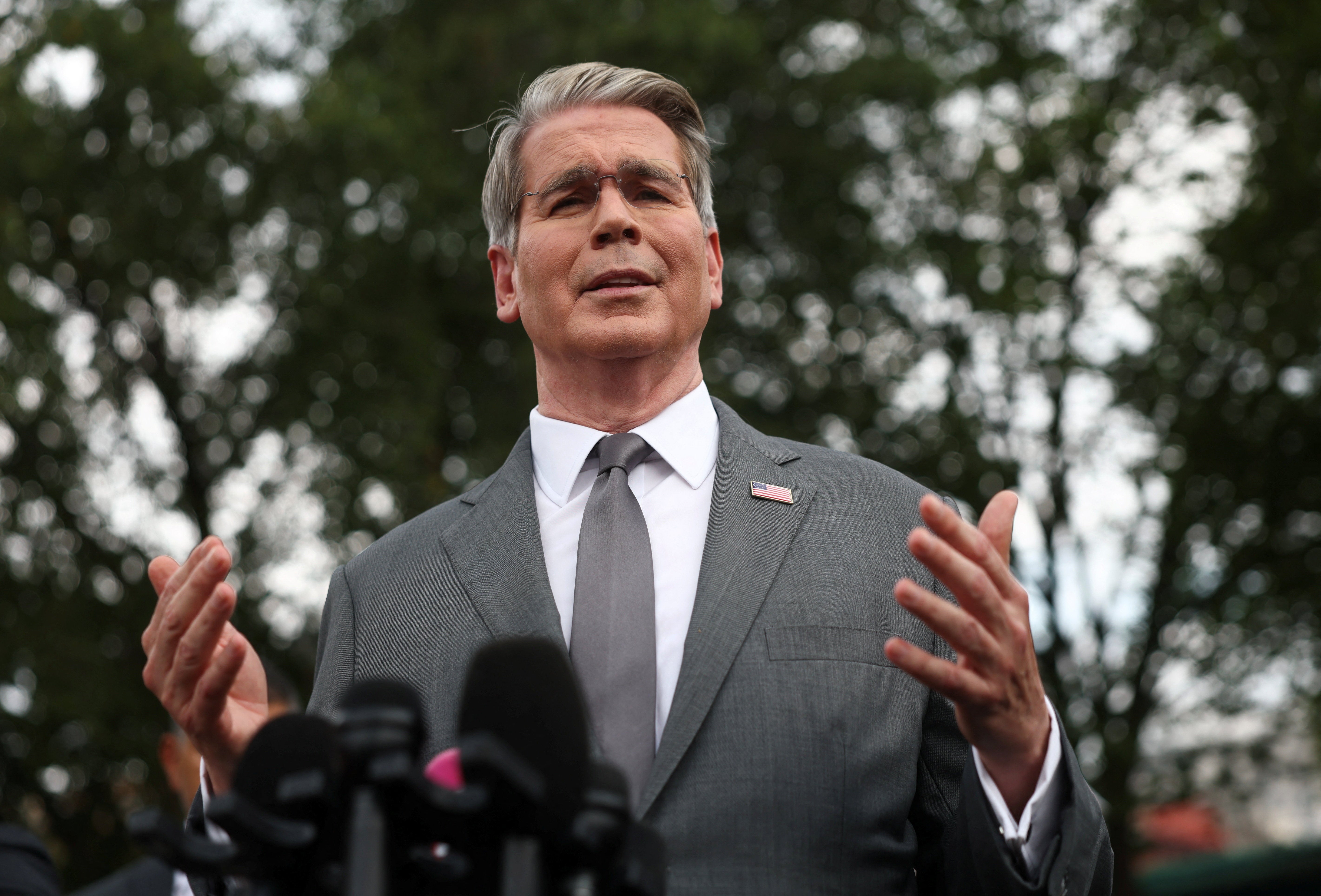
And Treasury Secretary Scott Bessent expressed an optimistic view of the economy during a CNBC Thursday, downplaying fears about the national debt.
“There’s nothing magic about the $40 trillion number,” Bessent said. “We can grow our way out of that.”
Temporary spending on tariff refunds, investments in the nation’s farming industry and war is inflating the debt, he said. The treasury secretary also attributed the negative perception of the nation’s debt to misinformation and people who don’t have the same access to information he has.
What it means for you
The first place that the average American is likely to feel the impacts of growing national debt is in rising interest rates on their mortgages, car loans and business loans.
This is because interest rates are tied to the U.S. bond market, which the U.S. government sells to investors in order to fund its operations.
Bond interest rates have hit 19-year highs, said Achim von Bodeman, senior tax manager and certified financial planner at Maryland-based Watter CPA.
“This means that the interest rates on mortgages and other loans will probably go up too,” von Bodeman told The Independent by email. “So, the debt affects you by making it more expensive to borrow money, not by sending you a bill.”
Two days before the Iran war began in February, the average rate for a 30-year mortgage dropped below 6 percent for the first time in four years, according to mortgage backer Freddie Mac. Since then, the rate has risen to 6.65 percent.
The national debt can have an impact on jobs, too. The more money a business has to spend on loan interest, the less it has to spend on investments and wages, said Scott Beaulier, a professor of economics at the University of Wyoming.
“If government borrowing crowds out private investments, businesses invest less in factories, equipment, technology, housing, and other productive assets,” Beaulier told The Independent. “Less capital investment ultimately means lower productivity and wages than we otherwise could have had.”
But the national debt could soon seep into other areas of American life, said Dr. Farhang Mossavar-Rahmania, a professor of finance at National University. The interest the country is paying on that debt could lead to higher taxes, among other things.
“Rising federal interest payments may also eventually lead to higher taxes, reduced public services, or less government investment,” Mossavar-Rahmania said in an email to The Independent.
However, there could be an upside to the rising debt, Mossavar-Rahmania noted.
Americans with investment portfolios can earn better rates on certificates of deposit, money market accounts and Treasury securities because their rates tend to go up as bond rates go up.
With additional reporting from Associated Press