



“What do you have for a subfloor?” – it’s the second question that Stagestep representatives ask studio owners. That’s for good reason; a good subfloor is more important than many in the dance world realize. Case in point: dear reader, when was the last time you wondered about the flooring under the Marley on which you dance? It’s a crucial question, for several reasons.
Dance Informa speaks with Dr. Emily Love, Director of Physical Therapy at Oklahoma City Ballet, to learn about how subfloors help support and protect dancers’ bodies, so they can keep dancing stronger for longer. Mathias Escobar, Stagestep Marketing Manager, and Jordan Jessup, Stagestep Sales and Customer Development Manager, expand on dancer safety matters as well as how subfloors extend the life of studio flooring (which can also impact studio financials). Let’s leap in to take a closer look!
For injury prevention and dancer longevity
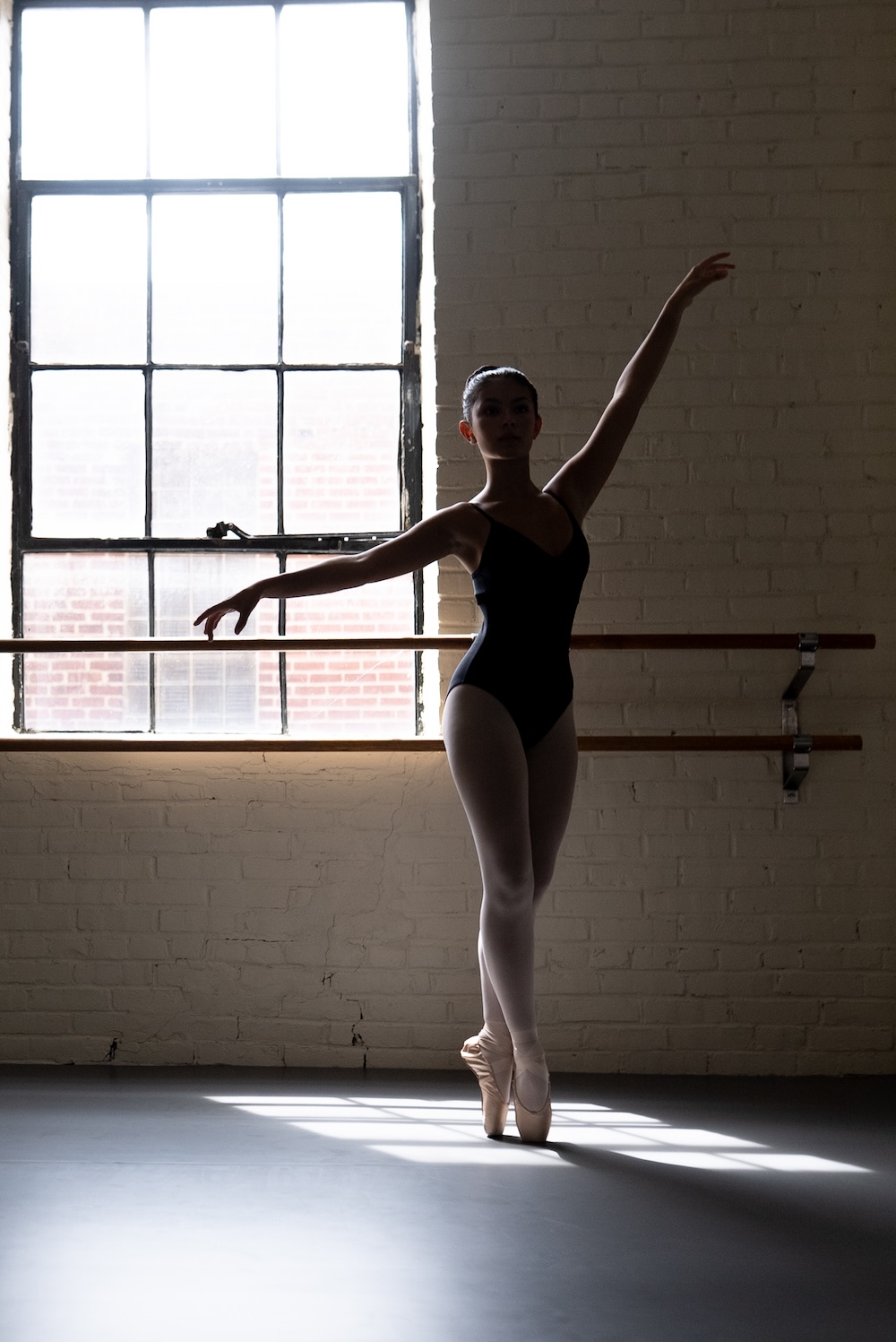
Dr. Love explains how a key function of a subfloor is to complement the body’s shock absorption system (including joints, muscles and other soft tissues), especially when it comes to jumps and leaps. “With some jumps, a dancer’s body takes on a load from six to twelve times the person’s weight,” she notes.
A subfloor helps absorb some of that, so that the dancer’s anatomical system can do that for longer, thus contributing to a dancer’s longevity in the art form. Without that assistance, dancers are more likely to experience overuse injuries: such as tendonitis, shin splints and stress fractures. “Longevity and overuse are tied together,” Dr. Love confirms.
The truly surprising thing can be how quickly such issues can arise; Dr. Love recounts cases she’s seen where dancers were working on a good flooring system for classes and rehearsals, then went into the theater for tech week and a program run (with the stage having perhaps not as good a floor) – and conditions like shin splints developed within just a few days.
Another underappreciated service of a subfloor is helping support dancers’ bodies even when they are simply standing in the studio – which can add up to a lot of time doing so through long class and rehearsal days (sitting can start to cool down muscles, so teachers tend to discourage it).
Dr. Love notes how those working jobs with lots of standing, such as in retail and hospitality, often use flooring mats for joint cushioning. Subfloors offer the same support for dancers doing a good deal of standing through their studio days. Without that, dancers are more likely to experience knee, hip and lower back issues.
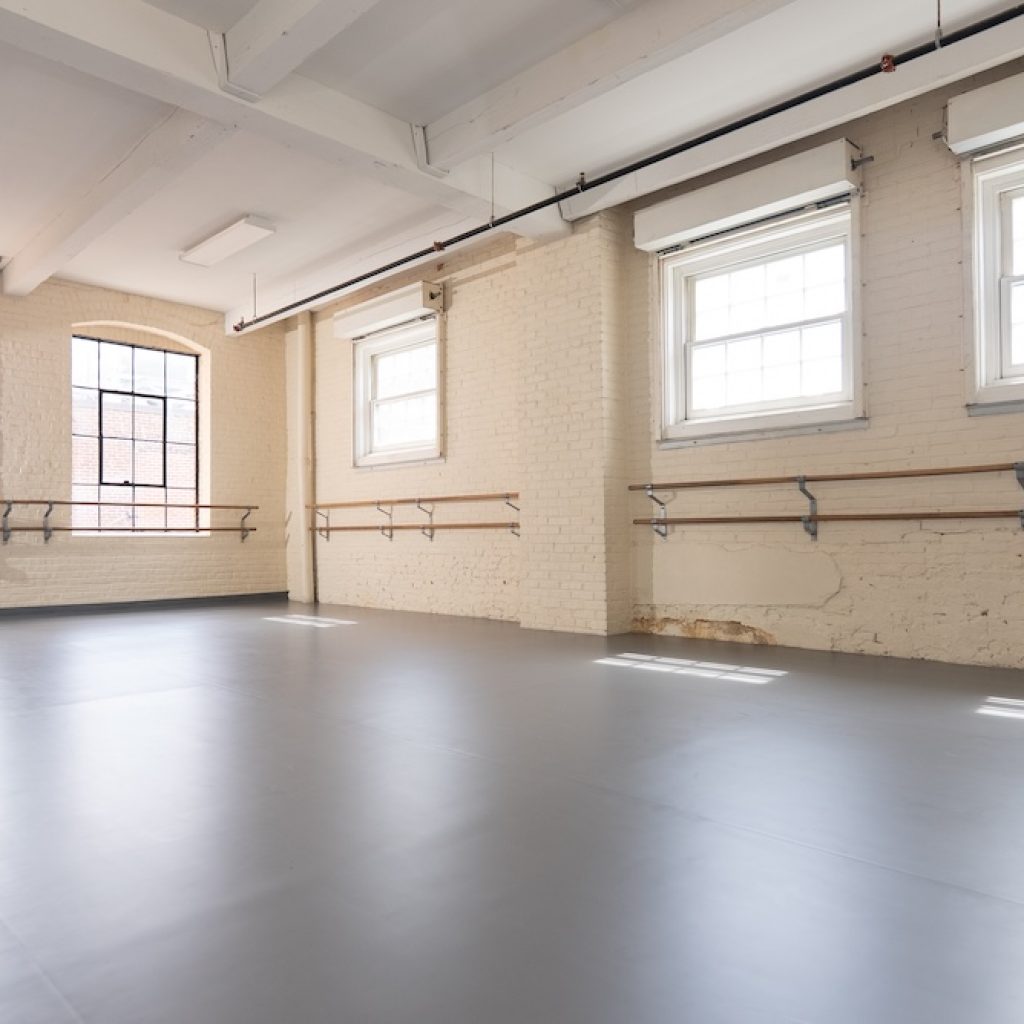
All of that standing without the right flooring support can also make dancers more fatigued. That’s a quality-of-life matter. Additionally, while subfloors mainly help prevent overuse (longer-term) injuries in dancers, fatigue is also an acute injury issue; tired dancers are more likely to fall and fracture a bone or sprain an ankle, for example (the types of injuries that more commonly happen at the end of long dancing days and during busy rehearsal periods, Dr. Love says).
For easy setup, floor longevity and dancer safety
Speaking of longevity, a good subfloor helps extend the life of a floor because of the uniformity of materials, explains Jessup. Otherwise, cracking and unevenness in the floor can occur in about six months, but sometimes within a matter of weeks, Escobar has heard from studio owners who’ve tried to do their flooring all on their own.
Contrast that with installations that have proper subflooring, which can last for a good 10-15 years – no small difference. “Our floors are expertly made and time-tested,” Jessup affirms. She gives the analogy of someone who buys inexpensive shoes, but ends up having to replace them frequently, versus someone who invests in a sturdy pair that lasts – and thereby, in the long run, spends less on shoes than the first person.
“Cutting corners doesn’t end up being a shortcut,” Escobar underscores. Not to mention, going that route can be an installation headache – versus Stagestep flooring, for example, which is designed for easy setup: place, lock and done, he notes.
Such cracks and uneven flooring can also be a tripping hazard, as well as cause stability and balance challenges – so that is more increased risk for injury.
For branding, business and sparking safety awareness
Jessup and Escobar are clear that for them, safety really is the paramount issue at hand. Yet, they also note business “bottom line” dynamics in play here. “If you have to close for a period of time so that you can redo your flooring, because you took shortcuts and it didn’t last, that’s lost revenue,” Escobar reminds us. Additionally, if students trip and get injured because of sub-par flooring, that may impact enrollment, because parents act on (and also talk with other parents about) their concern and dissatisfaction. That can detract from a studio’s brand.
Indeed, Jessup and Escobar want to prevent these things from happening – such as by raising awareness about the importance of subfloors in all dancers and dance families, not just in studio owners and educators. They would love to have these individuals, like Stagestep representatives, ask “what’s your subfloor?”. If the answer indicates a potential safety issue, they can be empowered to choose dancing elsewhere – somewhere that better supports their dancer longevity.
“We want to inspire the next generation of dancers to be more conscious of, and knowledgeable about, these issues,” Escobar says. “When people shop for cars, they look at safety ratings. Why don’t dancers do that when considering studios?” Jessup asks.
You can learn more about Stagestep’s subfloor offerings here and here!
By Kathryn Boland of Dance Informa.
Sponsored content.