



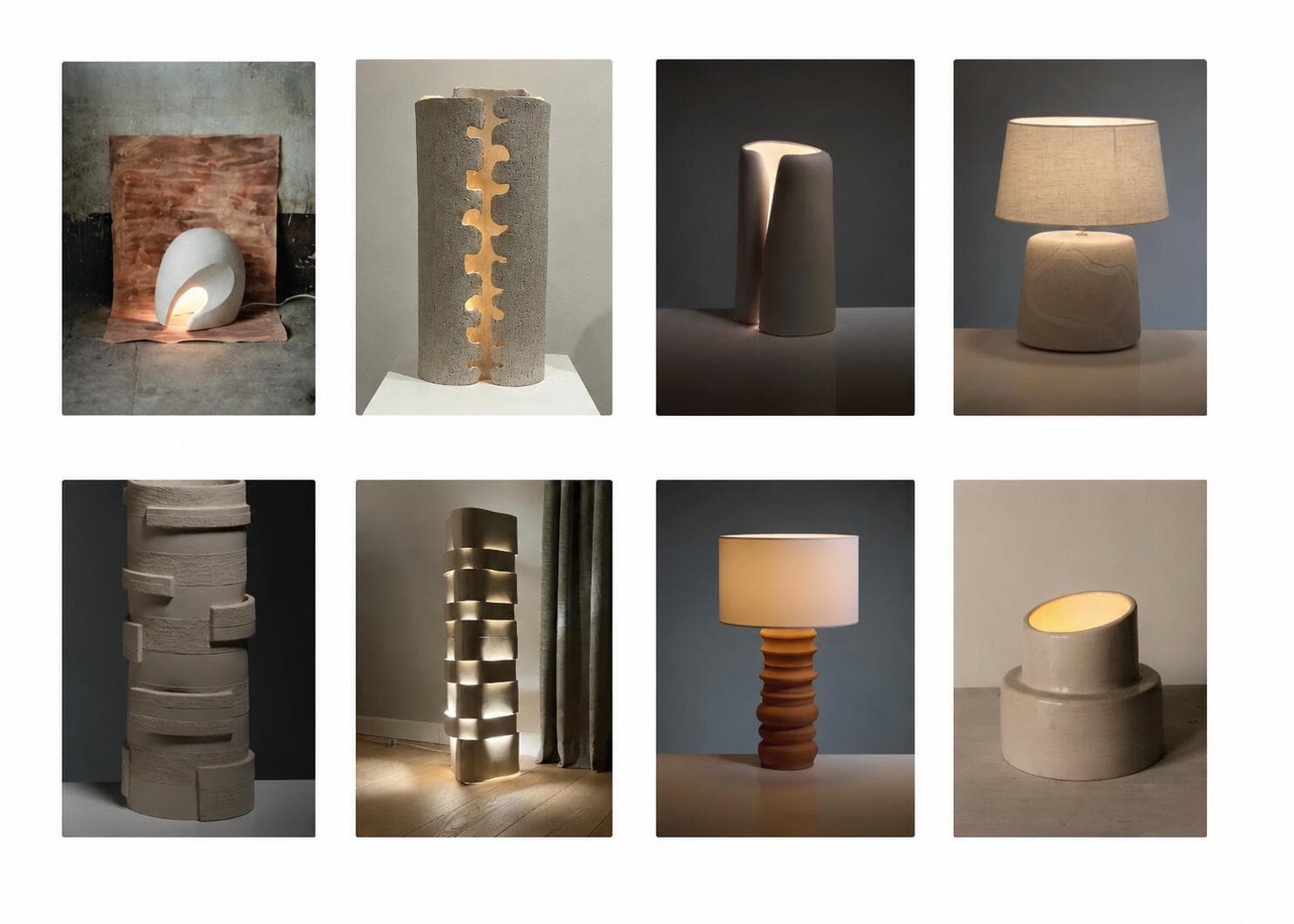
Why the Ceramic Table Lamp Has Become the Most Coveted Object in Contemporary Interiors
Look closely at the most compelling interiors being published today. The focal point is rarely the expected showcase painting or the pristine minimalist sofa. Instead, everything anchors around objects that possess texture, weight, and an undeniable sense of human touch. Signed, investment-grade ceramics have quietly claimed a position at the forefront of the collectible design market — a sector that once ignored functional objects entirely. Works by French masters such as Georges Jouve now command serious sums at auction, and that shift proved something crucial: serious collectors no longer view masterfully worked clay as decorative craft. They see it as a blue-chip asset class.
Why Now?
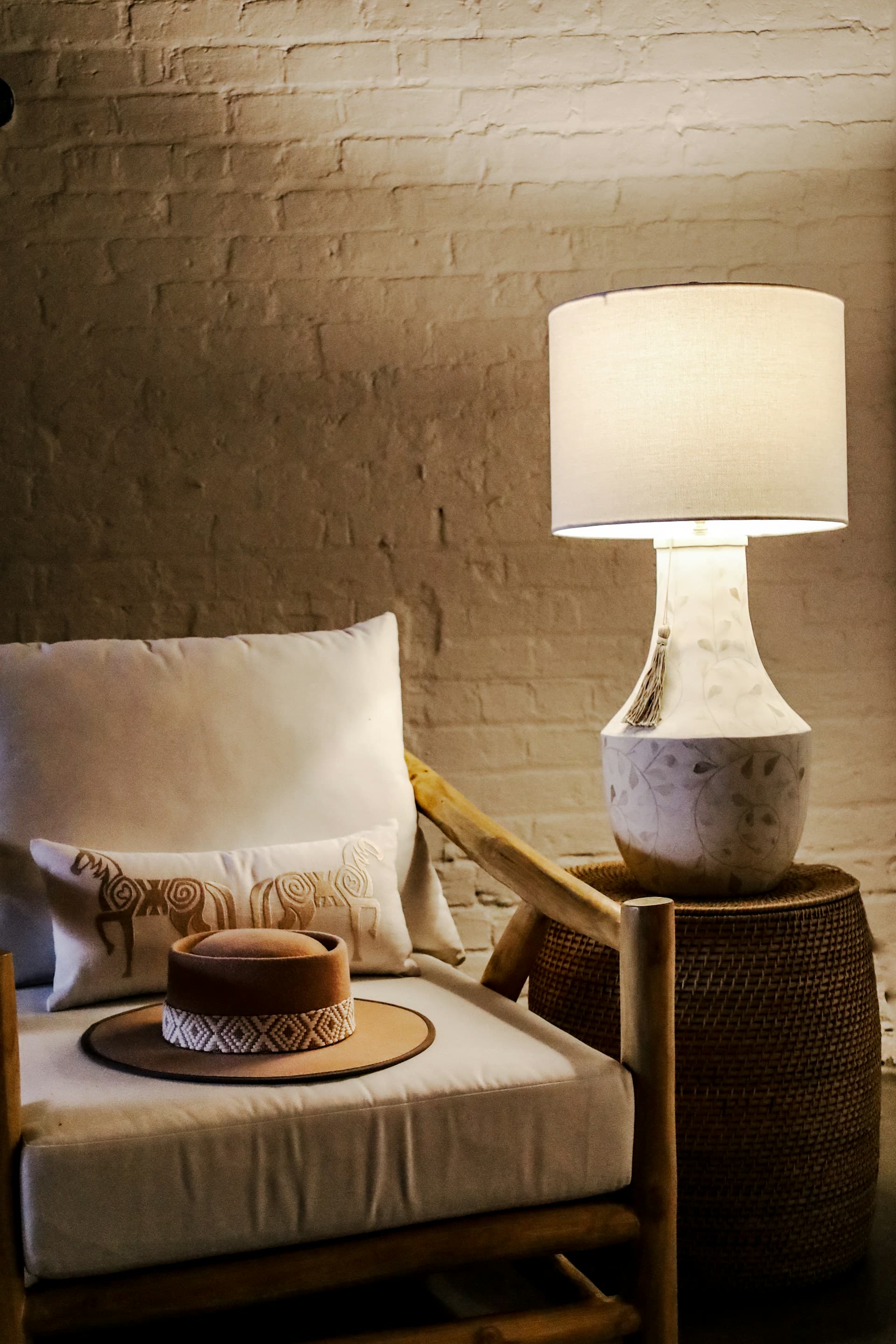
This current obsession is a visceral reaction against the past decade. For years, design was defined by cold, industrial minimalism, sterile brushed metals, and slick factory-made plastics. We lived in spaces that felt frictionless, mass-produced, and ultimately devoid of personality. Now, as documented heavily across the pages of publications like Architectural Digest, leading interior architects are deliberately pivoting toward materials that feel grounded and soulful.
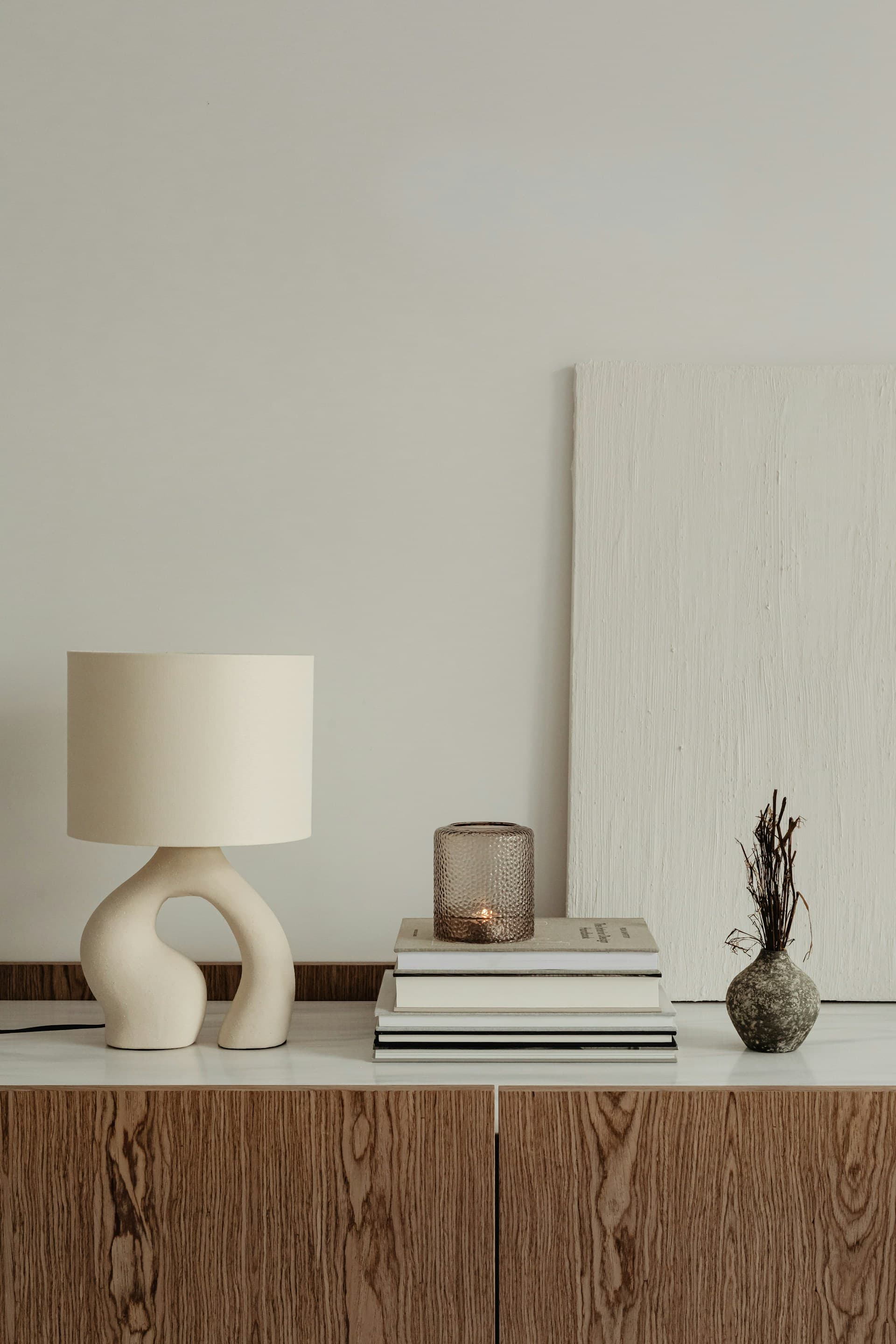
The true allure lies in what can be described as the patina effect. The current vanguard of creators has broken away from the hyper-symmetric, machine-molded mid-century classics that once dominated the market. Instead, this new wave celebrates the unpredictable, beautiful chaos of the kiln. It is work defined by hand-thrown irregularities, raw slip glazes, and asymmetrical silhouettes. Discerning buyers are actively seeking out visible thumbprints and minor structural flaws. These variations are not viewed as defects. They are celebrated as the ultimate marks of luxury, because those exact human idiosyncrasies guarantee that an edition is entirely limited and impossible to replicate.
Designers to Know
Building a collection means tracking how historical foundations morph into modern, radical ideas. Decades ago, Georges Jouve proved that a lamp base could be treated as a serious canvas for sculpture, elevating the ceramic object from utility to art. More recently, ceramicists such as Patrick Loughran — a Detroit-born, Paris-based artist known for his gestural, deeply textured sculptural work — have expanded the expressive vocabulary of the medium.
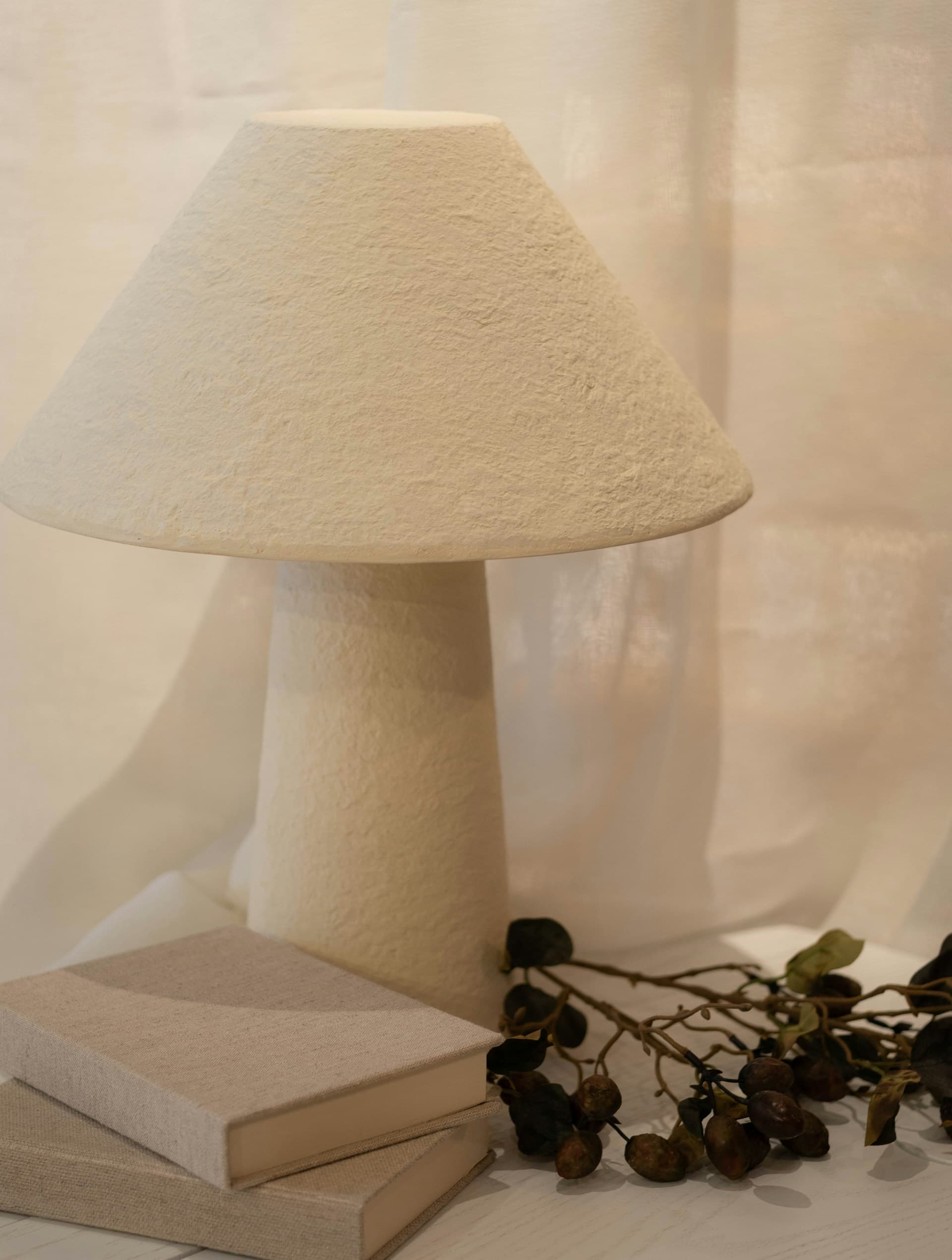
The new generation is pushing those boundaries even further. Eny Lee Parker is a major name to watch right now. Her work uses massive terra-cotta forms and exaggerated legs that completely upend traditional lighting silhouettes. Then there’s Natalie Page, whose handmade ceramic lights distill the medium to its essence: quietly elegant, gently irregular forms that feel both timeless and unmistakably human. It is precisely this calibre of work — collectible ceramic table lamps from emerging talent and established names alike — that the most discerning galleries now seek out and authenticate, with The Oblist among the curated platforms leading that effort.
Where to Find Them
You won’t find these pieces in standard lighting showrooms. Buying at this level requires navigating highly curated, international design circles. For year-round sourcing, serious collectors rely on specialized digital galleries that source and vet historical pieces, giving direct, authenticated access to rare work from both mid-century masters and the best emerging contemporary talent. Beyond the screen, the most important investment-grade pieces still headline elite global art fairs such as PAD London, PAD Paris, and The Salon Art and Design in New York.
For more on luxury interior stories, click here.