



The company found itself at the centre of the US-China tech war but is now able to sell its advanced chips to Beijing with Trump’s administration getting a 25% cut, writes Lindsey Hilsum.
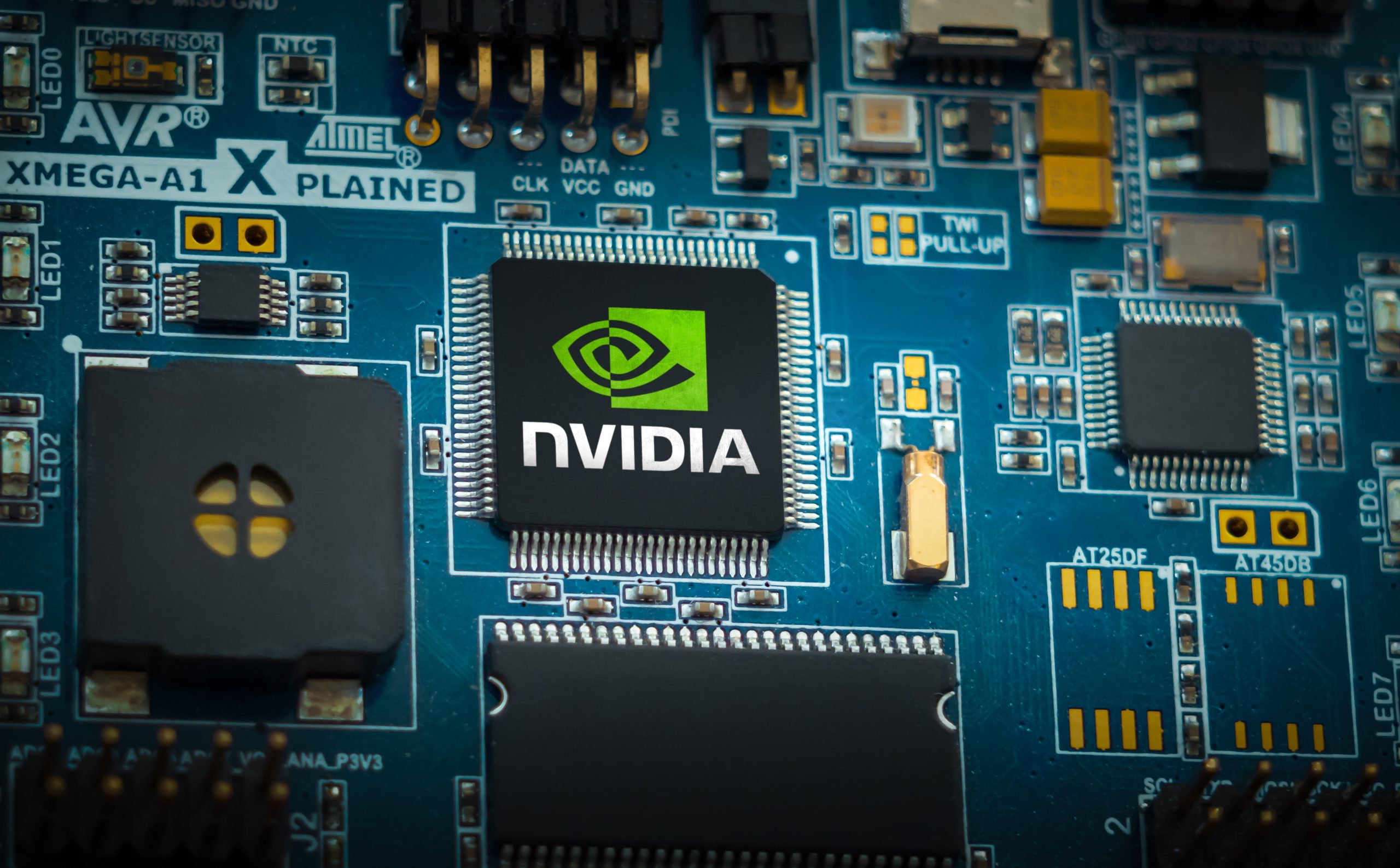
At a high-tech fair in the Chinese megacity of Shenzhen last month, I asked a man at the stall representing Nvidia – the US computer chip company – whether I could buy an H200.
I might as well have been asking for a wrap of cocaine, not one of the world’s most advanced Artificial Intelligence computer chips. He pursed his lips and shook his head disapprovingly.
As competition for the future hots up between the world’s two high-tech powers, the US is believed to be at least two years ahead in AI chip design. In order to maintain that advantage, in 2022 the Biden administration banned the export to China of the most advanced chips.
You’re reading the latest edition of FourGround, a bespoke newsletter brought to you by Channel 4 News’ experienced journalists reporting on the ground from locations across the world
AI will define the weaponry of the future so why sell to a potential enemy a technology that one day might be used against you?
So how – in theory – would a hightech innovator get hold of such an important component for her latest top secret invention?
One delegate suggested to me you could import your H200s to Japan, and then get them to China via Hong Kong. The border guards probably wouldn’t be looking. It’s easier to get hold of banned computer chips than white powder.
Ban lifted
As of today, it’s even easier. The Trump administration has bowed to lobbying by Nvidia’s CEO Jensen Huang, and lifted the ban. As so often with President Trump, his mind was changed not by a convincing argument over technology or national security but by money.
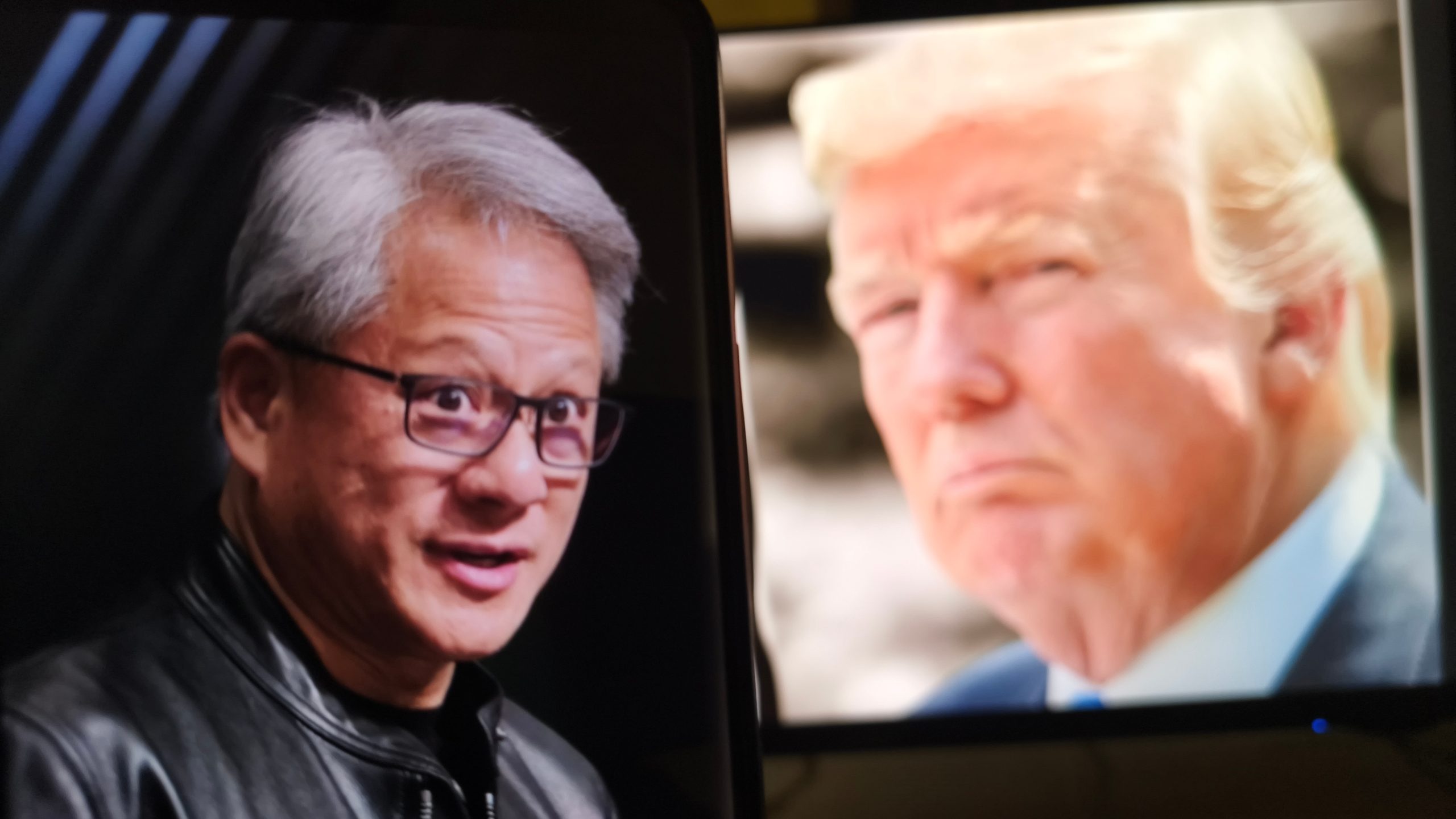
The administration will get a 25% cut from all future sales, which will only go to “approved customers in China and other Countries [sic]”. Nvidia’s stock rose after Trump met Huang last week, in anticipation of the move.
But there may be less to this than meets the eye. The H200 is no longer the most advanced chip when it comes to AI and high-performance computing.
‘Potent geopolitical tool’
The export to China of Nvidia’s new Barnwell series remains banned, as will next year’s even more powerful Rubin chips. I may not understand the difference – you’ll have to go to a tech expert for that – but I can see that advanced chips have become a potent geopolitical tool.
AI will require vast data centres using enormous amounts of power – far more than we currently use. China is already preparing by developing solar and wind power, while the US lags behind.

My recent visit to China convinced me that it’s ahead of the US on robotics and electric vehicles too. So AI and advanced chips, both critical when it comes to weapons design amongst other industrial uses, have become the battleground where the US has the advantage.
‘Stimulating innovation’
The Chinese government, while annoyed about any restrictions on importing semi-conductors and chips, believes that they have to develop their own equivalents. Last month the government told new data centre projects that they must only use domestically-made, not imported chips, as a way of stimulating innovation and advanced manufacture.
“US curbs have provided a rare chance for China’s domestic chip industry to grow and catch up,” said Ma Jihua, a tech expert quoted in the Chinese government online newspaper Global Times.
“Even Nvidia’s most advanced chips may lose competitive edge to Chinese counterparts if the company is kept away from the Chinese market for a few more years.”
“US curbs have provided a rare chance for China’s domestic chip industry to grow and catch up.”
– Ma Jihua
Jensen Huang sees China as a major market, which his company can now exploit more fully, but some reports say that regulators in Beijing will restrict access to the H200 chips.
Asked after he met Trump earlier this week whether he thinks the Chinese government will permit the import of the H200, the Nvidia CEO shrugged.
“We don’t know,” he said. “We have no clue.”
Thanks for reading the latest edition of our free FourGround newsletter. Subscribe to keep up to date with Channel 4 News on Substack.