



Right across the sporting landscape, competition is hotting up. Andrew Misra examines the impact of extreme temperatures in elite sport – and how schedules may need to adapt to keep athletes safe.
“Do you want a player to die on court?”
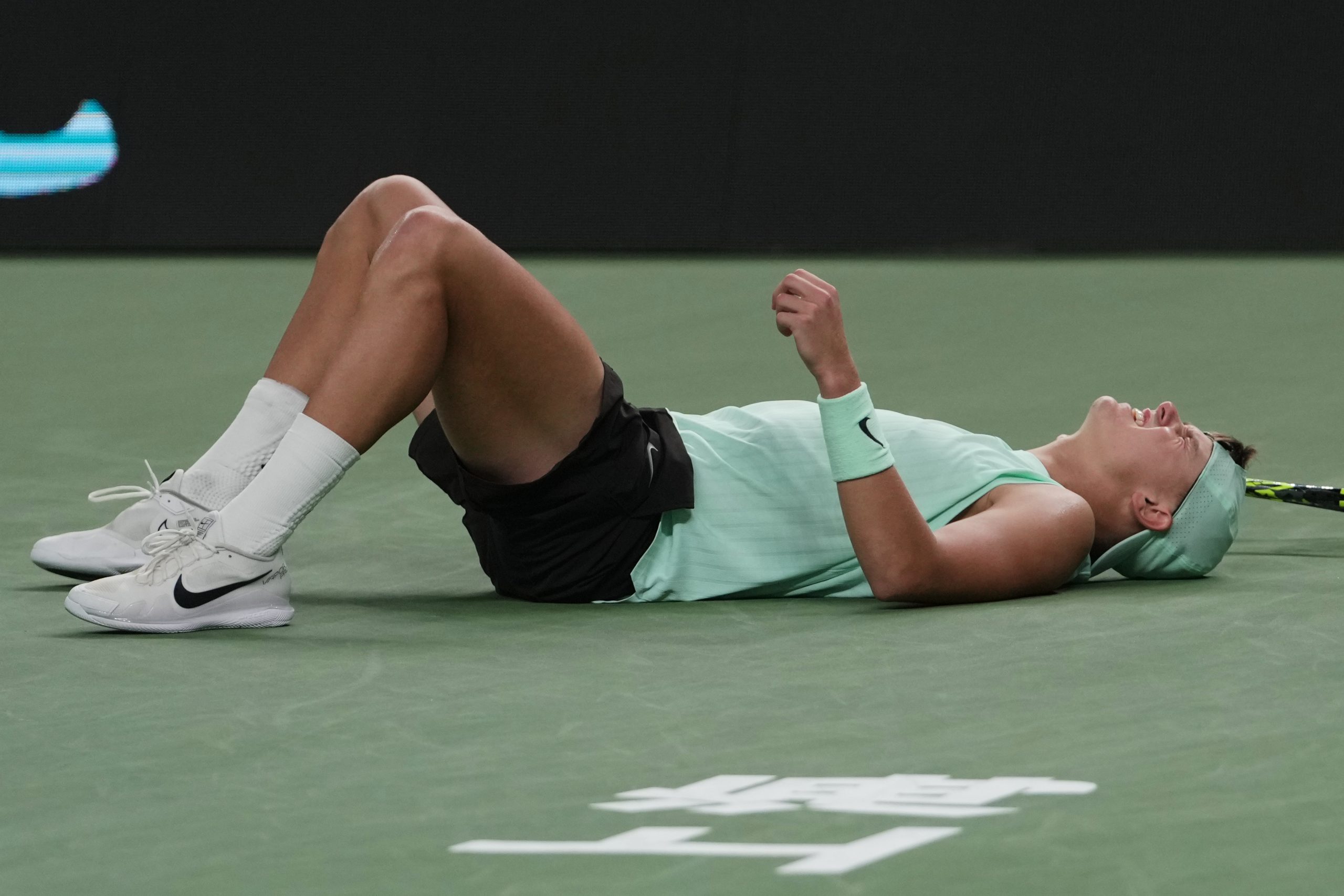
That’s what Danish tennis player Holger Rune, pictured above, asked match officials in Shanghai this autumn, as he struggled in temperatures of 34C and humidity levels reaching 80%.
Right across the sporting landscape, competition is hotting up. Quite literally.
Cooling breaks, ice packs and cold towels are becoming the norm. Increasingly, the only records in danger of being broken are by extreme temperatures.
While climate change has once again been brought into sharp focus this month at COP30, England’s cricketers are in Australia, where they are aiming to reclaim the Ashes.
With 47.3C recorded at the Sydney test match in 2018, searing heat looks likely once again.
How do elite athletes cope?
Georgia Taylor-Brown is an Olympic champion triathlete.
Over the course of her career, the 31-year-old has seen races get a lot hotter and harder.
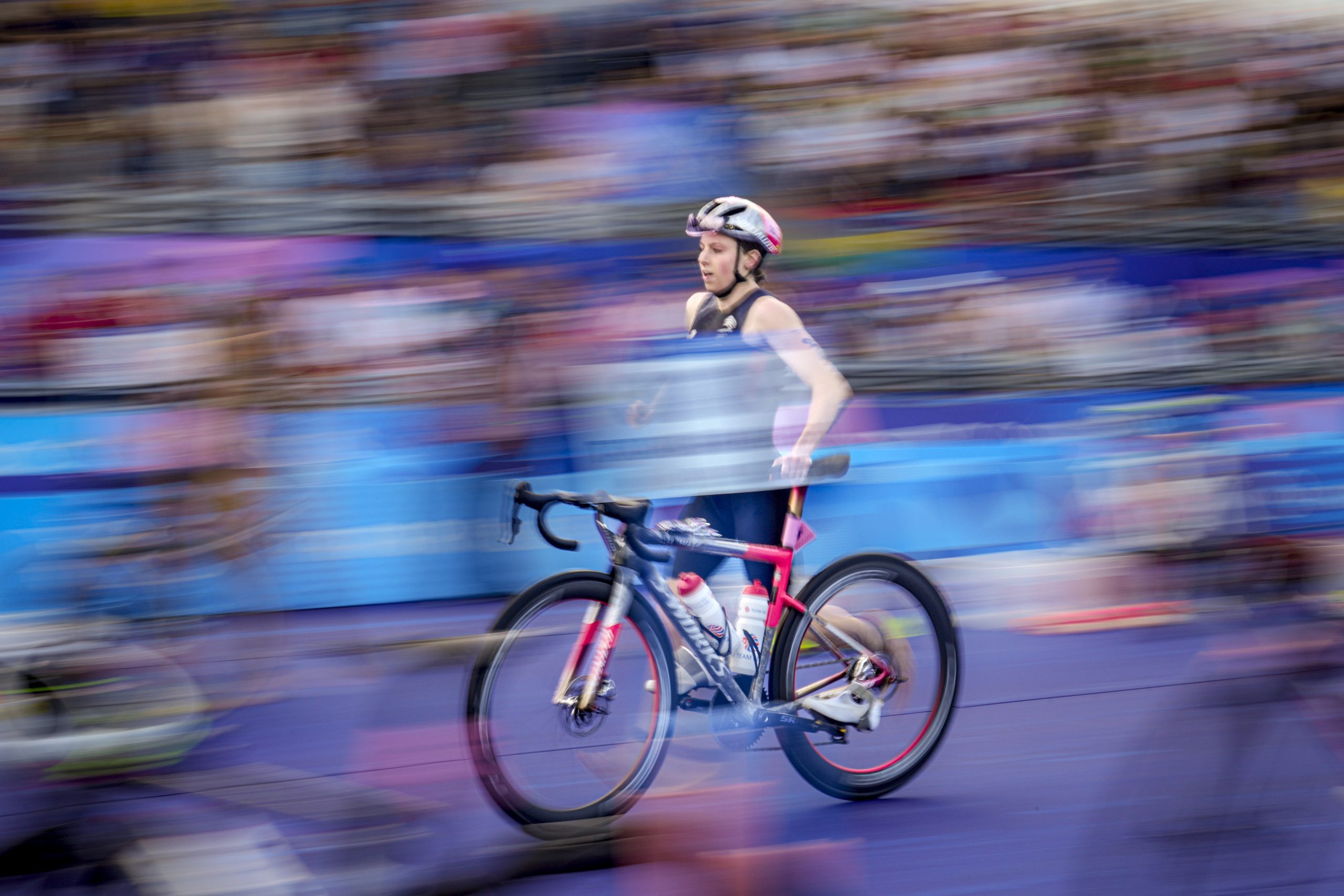
So, the Team GB star now incorporates training in a state-of-the-art heat chamber, at Leeds Beckett University, to help her body adapt.
“For me, a big thing is to know that I’m going to get hot, but I’m not going to die.”
– Georgia Taylor-Brown
I went to see Georgia using the heat chamber, which allows her to monitor key performance indicators, including her core temperature, heart rate, and perspiration levels.
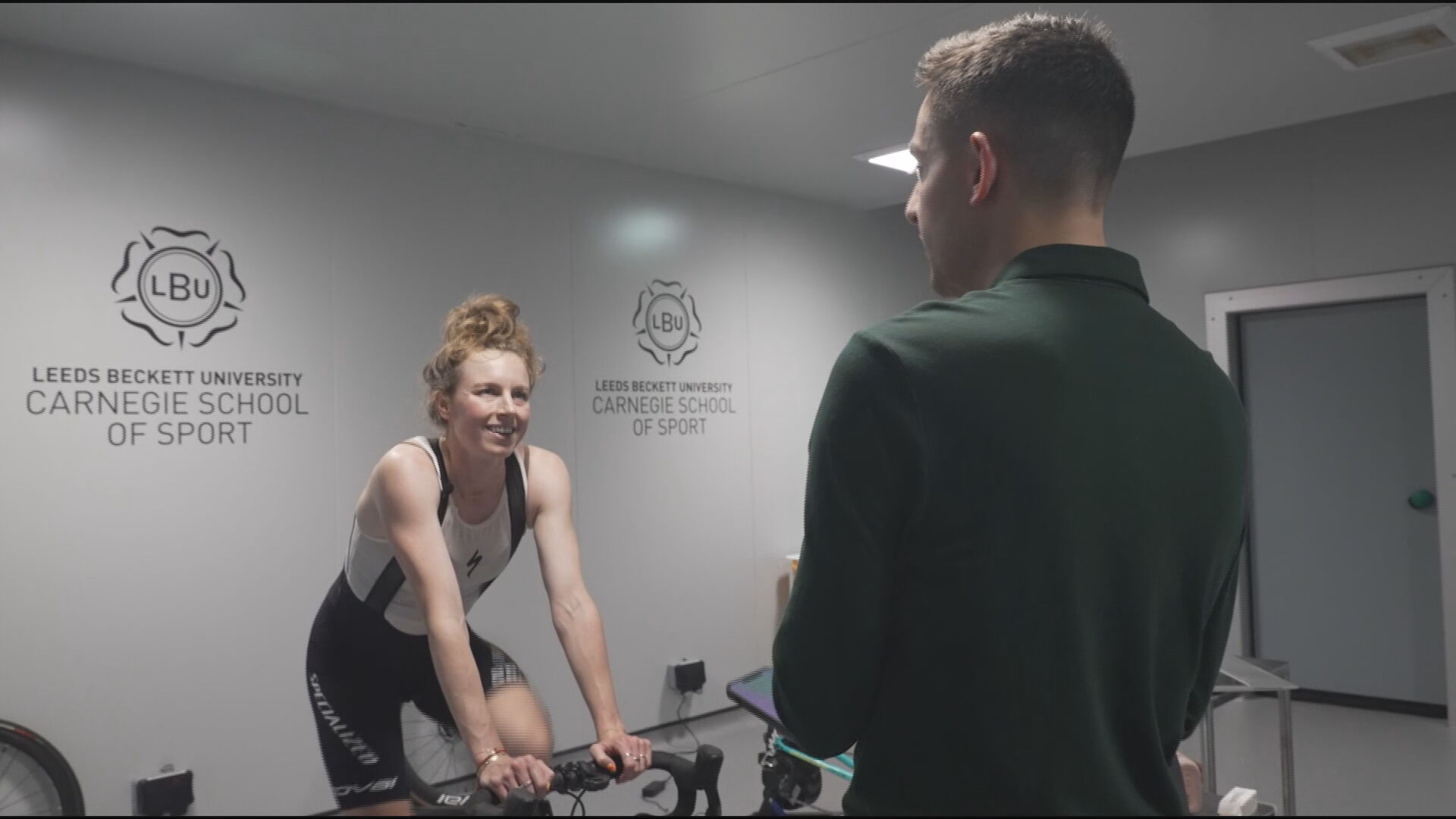
She told me: “You really have to think about how you’re preparing more, and you have to just expose yourself to the heat.
“For me, a big thing is to know that I’m going to get hot, but I’m not going to die.”
It’s a big issue for the majority of athletes – according to a World Athletics Survey, more than 70 per cent of athletes say extreme heat and climate change is impacting their training and competition schedules.
Career-ending heat stroke
Amy Steel, a former Australian netball player, considers herself lucky to be alive.

Heat stroke ended her career in 2016 and she hasn’t been able to play sports since. On hot days, the 36-year-old struggles with routine tasks.
She said: “My brain will start to go into a bit of a stroke-like pattern and I’ll forget things. Sometimes I’ve forgotten how to speak, where I live.”
With such severe impacts, it’s little wonder the President of World Athletics, Seb Coe, says the global calendar of Olympic sports may need to be re-engineered due to climate change.
Los Angeles 2028 Olympics warning
The International Olympic Committee (IOC) says it’s working on educating athletes and various countermeasures to protect them from extreme heat.
Sebastien Racinais is part of the Medical & Scientific Commission Games Group for the IOC. In an interview with Channel 4 News, Mr Racinais accepted that climate change may prevent previous Olympic host cities from holding the Games in future.
The 2028 Summer Olympics in Los Angeles, he warns, could see unprecedented temperatures.
He said: “We have to be ready for very hot ambient conditions, hotter than Tokyo was, probably the hottest so far.”
It is a clear and present challenge.
Without urgent action from decision makers, athletes fear they simply won’t be able to keep up with a rapidly warming world.
Watch more here:
COP30: World’s biggest climate polluters among notable absences in Brazil
‘Developing countries suffer most from climate change’ – says Costa Rican diplomat
The deadly impacts of heat in Europe