



The process for dealing with doctors accused of sexual misconduct needs urgent reform, according to an editorial in the British Medical Journal, which says sanctions are inconsistent and leave the victims traumatised.
Examples were given, including a 12-month suspension for a doctor who had a sexual relationship with a teenage patient, the same for a doctor found to have raped a young woman – the panel described it as a “one-off” attack – and in Manchester, a doctor who left a patient during an operation to have sex with a nurse faced no sanctions.
Complaints against doctors are made to the General Medical Council, which investigates and can refer them to the Medical Practitioners Tribunal Service. The GMC funds the service but it is independent.
Research for the Royal College of Surgeons has found that in nearly one in four cases of sexual misconduct, the MPTS sanctions were more lenient than the GMC had recommended:
- All were male doctors, with more than 80% holding positions of authority
- Of the proven cases, 65% were struck off, while 35% resulted only in a short suspension.
These are not criminal convictions and the tribunal is not a formal court of law.
Now an editorial for the BMJ medical journal says there needs to be major reform.
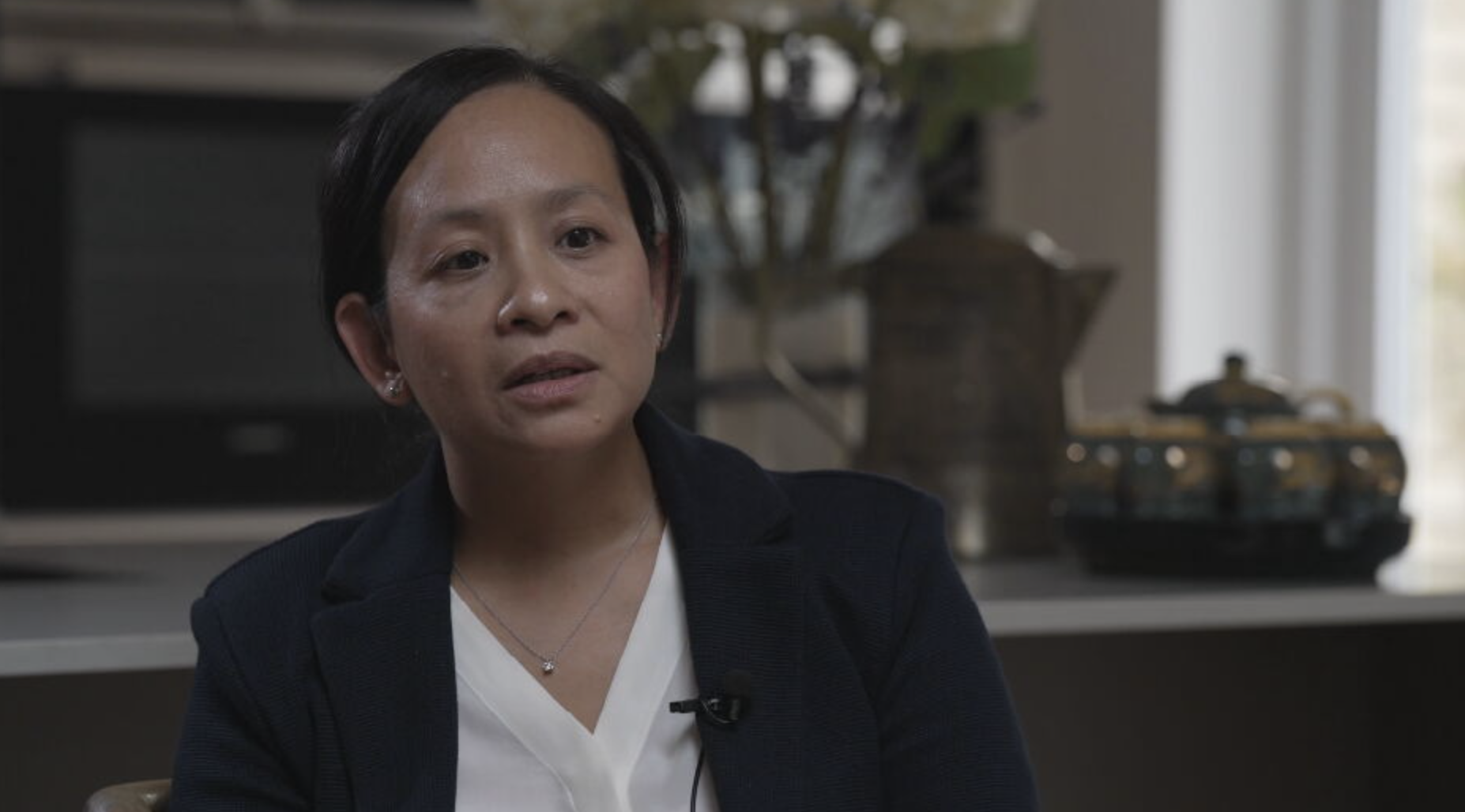
Surgeon and co-author Mei Nortley argues that sanctioning of doctors is inconsistent and overly reliant on subjective evidence, and they call for a dedicated, evidence-driven approach “that treats sexual misconduct by doctors not as a regulatory outlier, but as the grave abuse of trust it truly is”.
The article says that the aim is to promote consistency, fairness and transparency in tribunal decisions, but that many of these elements, particularly insight and remediation, are highly subjective, leaving them open to different interpretations.
And aggravating factors key to sexual misconduct, such as grooming, manipulation, coercion and persistent behaviours, are not recognised in MPTS sanctions guidance.
Channel 4 News has spoken to one senior doctor, who wished to remain anonymous, about the process she went through after she was repeatedly sexually harassed.
She told us: “I got touched inappropriately in the very first case that I did, so within two hours of starting the job. For the entire four months that I managed to stick with that rotation, I was either touched inappropriately or had inappropriate comments, inappropriate phone calls, and, yes, was just constantly trying to escape sexual harassment in one way or another until I couldn’t take it anymore.”
“I got touched inappropriately in the very first case that I did, so within two hours of starting the job.”
– Senior doctor
A trainee at the time in 2014, she was sexually harassed by transplant surgeon James Gilbert – once described as the golden boy of his department – at Oxford University Hospitals NHS Trust.
10 years later
It was only 10 years later, when others came forward, that he went before an MPTS panel.
She said: “We met with legal counsel on the day, just for a couple of minutes in the morning, and that was it, and then it was straight to cross examination. And it basically was as if I was on trial. And I was made to feel like a liar.
“A week before the trial, you get your statement as it’s going to be used in the court, and 80% of it’s just redacted, just black on a page. And part of you feels broken that you’ve gone through all this effort to produce this statement and now none of it’s going to get used.”
In fact, the tribunal did order her statement to be unredacted. She described to us falling on the floor of the meeting room and sobbing.
Gilbert, who had been sacked by the trust, was only given an eight-month suspension, despite the GMC recommending that he was erased or struck off the medical register. They took the MPTS to court but the suspension was only increased by four months. He is now able to work again.
James Gilbert told the MPTS panel that the process had been “humbling, humiliating and deeply shameful”.
At the time Gilbert told the MPTS panel that the process had been ‘humbling, humiliating and deeply shameful’ and that he was a different person and fundamentally changed. He apologised for his behaviour.
Yet Ms Nortley said: “There are inconsistencies that don’t match up to GMC good medical practice guidance. For instance, the GMC recognised that in sexual misconduct, reporting is often very delayed. But one of the mitigating factors in the tribunal sanctions guidance was delayed reporting would lessen the sanction. It is completely incongruent.”

‘Sanctions must be severe’
The authors say there needs to be the specialist training and tools required to deal with serious cases of sexual misconduct that include rape, sexual assault and offences against children.
“We need a dedicated, evidence-driven approach that treats sexual misconduct by doctors not as a regulatory outlier, but as the grave abuse of trust it truly is,” argue the authors. “Sanctions must be sufficiently severe to deter these behaviours, and vulnerable witnesses must be supported and protected.”
The MPTS told us they will shortly publish updated guidance to assist tribunals in reaching consistent and well-reasoned decisions.
The GMC said: “In cases of sexual misconduct, we will often ask for the doctor to be struck off the medical register. Where we feel the sanctions applied by the independent tribunal are too lenient, we can, and do, appeal. A significant proportion of our appeals are successful and result in stronger sanctions.”