



Many competitive dancers are eager to land coveted convention scholarships. But why are these awards so sought-after? How can dancers increase their odds of winning them—and who might they not be right for?
The Scholarship Advantage
One of the largest benefits to convention scholarships is perhaps the most obvious: financial relief. Attending conventions can be expensive—for some dancers, prohibitively so. Scholarships typically allow awardees to attend many or all of a convention’s events for free.
Beyond financial assistance, one of the biggest benefits to convention scholarships is mentorship—especially for those who win grand prizes and tour with organizations year-round as assistants. “We get to really see the work ethic of these dancers throughout the season,” says choreographer Martha Nichols, a former NUVO Dance Convention educator. “Once I’ve worked with them closely, I keep them in mind when opportunities come up.”

Convention scholarship auditions can also be good training. Hailey Bills, a two-time best-dancer winner at The Dance Awards, says the rigors of these frequent auditions prepared her to become a Brigham Young University Cougarette as well as a dancer in Derek Hough’s latest national tour: “I was auditioning for a scholarship every two months, and the more you audition, the better you get at it.” Creative Arts Academy founder Jana Monson frames scholarship auditions as training opportunities. “If the dancers get cut, then I go back and say, ‘Well, did you hear what they were emphasizing?’ Then we work on those things and improve for next time.”
Factors to Consider
If you’re determined to focus on one dance style, the multidisciplinary nature of convention scholarships—which typically encourage or require awardees to take classes in a range of genres—might not be for you. “If you want to be a specialist and reject anything beyond that goal, you will have a mental battle,” Nichols says.
Additionally, conventions can be high-pressure environments, and Nichols says spending weekend after weekend in that kind of setting might not suit all dancers. “Hyperstimulation makes some people shut down, and the convention space doesn’t bring out their best selves,” she says. “Some people need a slower pace and to have things broken down. If you value an extended process, this might not be the best place for you.”
Not every dancer will earn a scholarship, and frequent rejection is hard. But Monson believes that with the right perspective, auditioning for convention scholarships can be a good learning experience for everyone. “It’s not just about winning a scholarship,” she says. “Maintain the mindset that dance is a journey.”
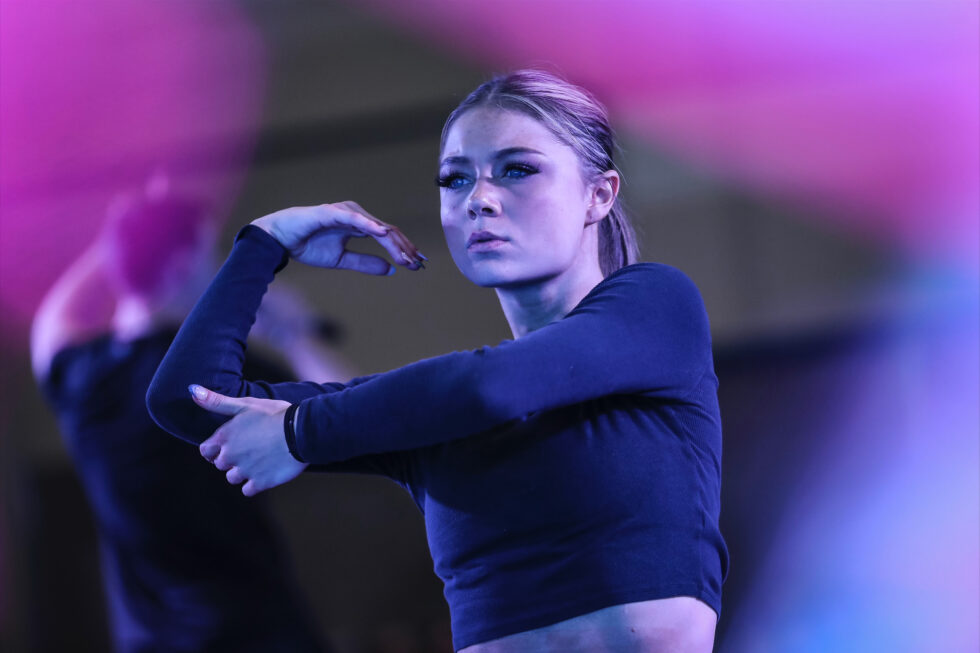
Scholarship Audition Tips
While there isn’t a secret formula to earning a convention scholarship, there are a few ways you can improve your odds at your next audition.
Know what to expect: While scholarship auditions vary, most happen during conventions and include a ballet combination and a jazz combination. Often, there are multiple cuts made before scholarships are presented.
Be strategic about where you stand: Scholarship audition rooms can be very crowded. Martha Nichols recommends aiming for the center-back of the room in order to stay within the eyeline of the teacher. “It’s unhelpful to dance in the front if there isn’t enough space to do the combo full-out,” she says.
Pay attention to details: In a scholarship audition setting, personality is important—but be sure not to stray too far from the choreography. “A lot of people will want to put their own twist on things, which is awesome, but you need to maintain the details, especially the ones they specifically point out,” Bills says.
Attend convention classes: “Teachers talk, and they are aware if you skip classes,” Nichols says. “It’s not a characteristic you want.” Attending class also allows you to discover teacher preferences, which you can emphasize later in your audition. “If you know the ballet teacher values clarity, can you try to be more clear?” Nichols says.