



Omnichannel customer service connects phone, email, live chat, SMS, social media, and other support channels into one continuous conversation. Customers can switch channels without repeating their issues, while agents retain access to conversation history and customer context. This creates a more consistent, personalized support experience across every touchpoint.
For example, a customer might report an issue through live chat and follow up by phone. Instead of starting over, the phone agent can pick up where the chat conversation ended.
But delivering this experience takes more than offering multiple support channels. Businesses need connected technology, shared customer data, and a clear omnichannel strategy.
This guide explains how omnichannel customer service works, its benefits, and the tools and best practices for implementing it.
Take the AI Maturity Assessment
In just 5 minutes, get your personalized score and recommendations to move forward with AI.
What Is Omnichannel Customer Service?
Omnichannel customer service is a support approach that connects customer interactions across multiple communication channels. Unlike traditional multichannel support, it preserves conversation history and context so customers can move between channels without starting over.
Imagine a customer contacting live chat about a delayed order but leaving before the issue is resolved. When they call the next day, the agent can see the earlier conversation, review the order details, and continue helping without asking the customer to explain everything again.
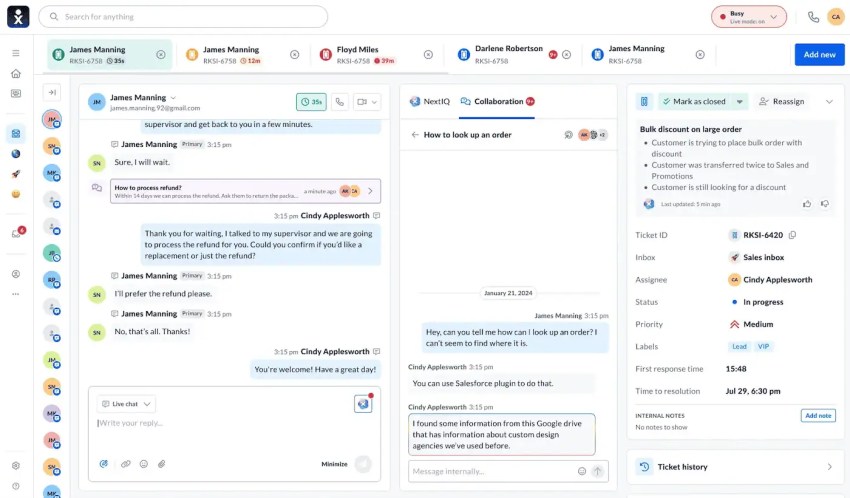
Each interaction, no matter where it happens, contributes to a unified omnichannel customer experience. This means customer service agents have full visibility into past customer interactions to deliver informed and personalized support. The support team can provide a consistent experience that adapts to customer needs in real-time.
Businesses that adopt omnichannel service see higher customer retention, stronger brand loyalty, and lower support costs through streamlined interactions. While it may require integrating tools like customer relationship management (CRM) or communication platforms, it pays off with a smooth, customer-focused experience that enhances the user experience.
Omnichannel vs. Multichannel Customer Service
First, let’s clear up a common misconception of multichannel vs. omnichannel customer service.
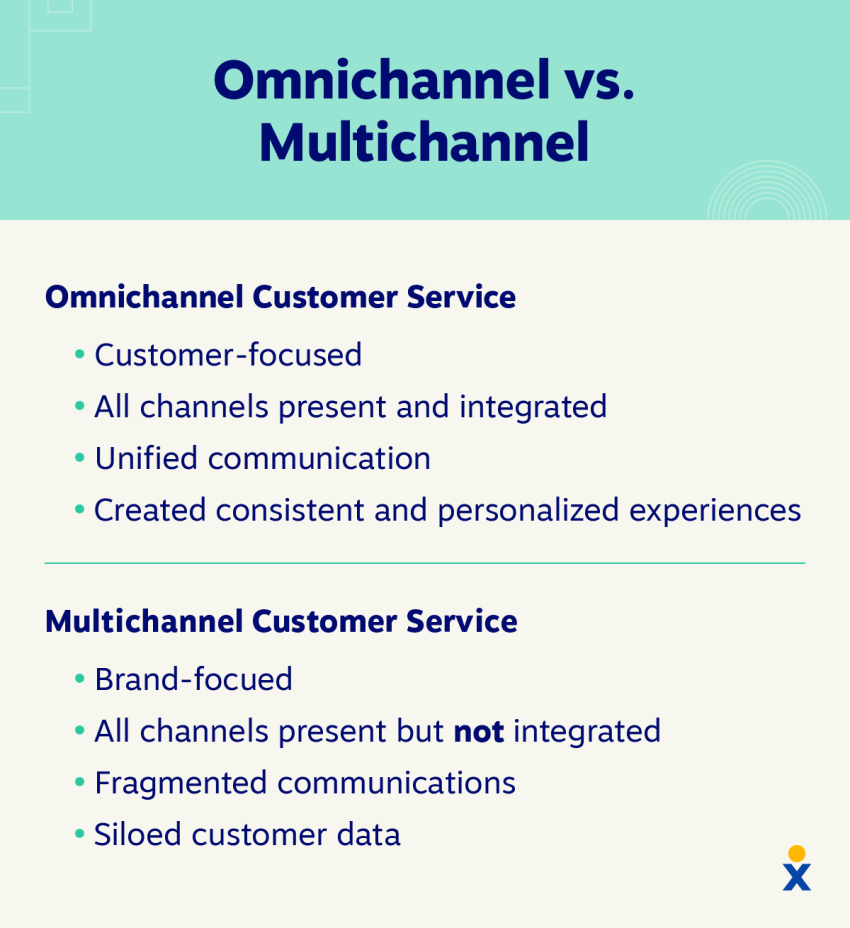
What is multichannel customer service?
Multichannel support means your business offers customer service on more than one channel. You might have a phone number, an email address, and a Facebook page. While this approach provides customers with various options, these channels operate in silos.
Think of them as parallel roads that run side by side but never connect. A conversation started on one channel doesn’t carry over to another, so the customer has to start over every time they switch channels, leading to longer response times and frustration.
What is omnichannel customer service?
Omnichannel customer service connects individual communication channels into a unified platform. It integrates all touchpoints, creating continuous communication that accompanies the customer everywhere.
In an omnichannel model, a customer service agent handling a phone call can view yesterday’s live chat transcript and the email the customer sent last week. The focus shifts from mere multichannel availability to a seamless experience across all channels, supported by advanced customer service software.
To make the difference clear, here is a side-by-side comparison:
| Feature | Multichannel | Omnichannel |
|---|---|---|
| Focus | Channel-centric | Customer-centric |
| Customer experience | Disjointed, siloed | Optimized, consistent |
| Data integration | Channels operate independently | Data is unified and shared |
| Agent perspective | Limited view of interactions | 360-degree customer view |
Multichannel focuses on channels, while omnichannel focuses on the customer. This shift from isolated systems to an integrated ecosystem helps eliminate friction and offer the straightforward customer support that customers expect, particularly in e-commerce environments where customer service experience directly impacts sales.
Omnichannel Communication for Customer Service
Omnichannel communication for customer service connects conversations across phone, email, SMS, live chat, social media, and messaging apps. Instead of managing each channel separately, support teams share customer data and conversation history to provide consistent assistance wherever customers reach out.
The key is maintaining continuity between channels. For example, a customer might:
- Ask a question through a website chatbot.
- Follow up by email with additional details.
- Call support to resolve a more complicated issue.
With an omnichannel approach, the phone agent can access the earlier interactions and continue the conversation without asking the customer to repeat everything.
This requires more than connecting communication tools. Businesses also need consistent routing, accessible customer records, and coordinated support workflows. When these elements work together, customers can use their preferred channels while agents maintain the context needed to resolve issues efficiently.
Why Your Business Needs Omnichannel Customer Support: 6 Telltale Signs
Not sure if your business needs omnichannel support? If you recognize any of these common issues, it’s a strong indication that you need to make a change.
- Customers complain about repeating themselves: When customers have to re-explain their issue every time they switch channels, it’s a clear sign that your system isn’t integrated and customer interactions aren’t being properly tracked.
- Customer satisfaction scores are declining: Customers want fast, personalized service, no matter how they reach out. If your current setup isn’t meeting these growing expectations with improved response times, your scores will reflect it.
- You’re losing to competitors with better service: When satisfaction scores are dropping or there’s an uptick in unresolved issues, customers will look elsewhere. A smooth omnichannel experience is a differentiator that prevents churn.
- Your team is juggling multiple channels: If your customer service team is juggling separate inboxes and platforms for phone, email, social media, and live chat, it can quickly become overwhelming to manage these interactions effectively.
- Your customer data is scattered and siloed: If your customer information is scattered across different systems, it becomes tough to provide personalized support and understand the customer’s complete journey across all touchpoints.
- You struggle to keep track of customer history: If you’re finding it difficult to keep tabs on customer preferences, purchase history, or past interactions, it’s a direct result of siloed data and a clear signal for a unified system that can streamline operations.
Benefits of Omnichannel Customer Service
The main benefits of omnichannel customer service are faster resolutions, personalized support, greater convenience, and improved operational efficiency. By connecting customer interactions across channels, businesses can reduce repetitive work for agents while making it easier for customers to get help.
These advantages extend to both customers and support teams.

For your customers
The omnichannel approach puts customers at the center and provides the effortless experience they expect.
Simplified customer experience
Customers can start a conversation on live chat, follow up via email, and conclude with a phone call — all without repeating themselves. The context moves with them, creating one continuous, hassle-free dialogue that enhances customer engagement.
Faster resolutions and less frustration
With a complete view of a customer’s history at their fingertips, agents can diagnose complex issues and find solutions in record time. This eliminates the dreaded runaround and the frustration of starting from scratch with each new interaction, significantly improving response times.
Hyper-personalized service
When customer service agents know a customer’s purchase history, past inquiries, and preferences, they can deliver personalized support that feels personal, not transactional. Customers feel understood and valued, not like just another ticket number.
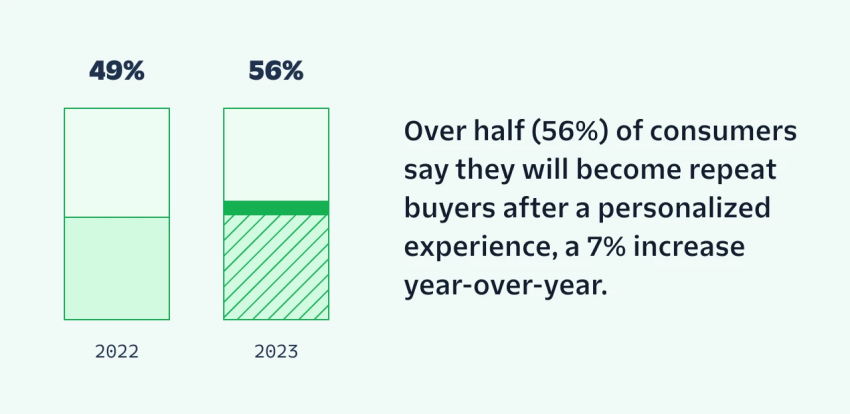
More convenience
Whether they prefer a quick text, a detailed email, or a direct phone call, customers have the freedom to connect with your business on the channel that best suits their needs at that exact moment, creating a smooth experience.
Increased trust and transparency
When every agent is on the same page, it builds immense confidence. Customers trust that your business is organized and capable of handling their concerns effectively, which strengthens their relationship with your brand through consistent experience delivery.
For your business
The positive effects of a stellar customer service experience ripple directly to your bottom line and operational efficiency.
Improved customer retention and loyalty
Customers are more likely to stay with businesses that make support easy and consistent. Omnichannel customer service helps reduce frustration by preserving conversation history, personalizing interactions, and resolving issues without unnecessary handoffs. These improvements can strengthen trust, encourage repeat business, and reduce customer churn.
Increased sales and higher conversion rates
Friction is a conversion killer, especially in e-commerce. By making it easy for customers to get answers and resolve issues — for instance, switching from a product page to a quick live chat — you remove roadblocks in the customer journey, leading to fewer abandoned carts and more sales.
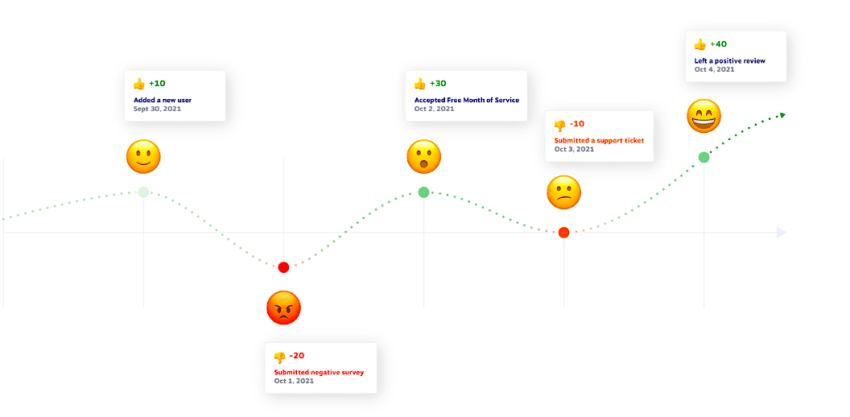
Greater agent productivity and efficiency
Supporting your customer service team with unified tools and complete customer context allows them to resolve issues faster and handle more inquiries. This not only cuts operational costs but also improves the agent experience and morale and reduces turnover in your call center operations.
Enhanced brand reputation
Customer experience has a direct influence on brand loyalty. According to PwC’s 2025 Customer Experience Survey, 29% of consumers stopped using or buying from a brand because of poor customer experience. Delivering consistent, convenient support across channels helps businesses protect their reputation and build stronger customer relationships.

Valuable, data-driven insights
An omnichannel platform captures a wealth of data on customer behavior, preferences, and problems across the entire lifecycle. Businesses can use these insights to make informed decisions, identify recurring customer issues, and improve their services, products, and support processes.
How To Build an Omnichannel Customer Service Strategy
An omnichannel customer service strategy is a plan for connecting support channels, customer data, and service workflows to deliver a consistent experience. It starts with understanding where customers need help, then integrating the right tools, training agents, and measuring results.
You don’t need to launch every channel at once. Start with the channels your customers use most and expand as your processes mature.
1. Map your customer journey
Map every customer touchpoint, from browsing your website to post-purchase follow-ups. Use feedback, analytics, and support logs to uncover pain points and opportunities. Work with teams across sales, support, and marketing to obtain a full picture and identify gaps in the customer journey, paying special attention to how customer needs evolve at each stage.

2. Unify your tech stack
An omnichannel strategy is powered by connected data. Break down internal silos by integrating your key systems: CRM, helpdesk, VoIP system, and live chat. Choose unified communication platforms with open APIs or native integrations to create a single source of truth for all customer profiles, conversations, and purchase history.
Popular customer service software options like Zendesk can help streamline this process. When your tech stack works in sync, you eliminate data fragmentation and give agents instant access to the full context they need, while also enabling automated notifications that keep customers informed.
3. Train and invest in your team
Equip your staff with the right tools and skills to manage conversations across channels. Emphasize active listening, empathy, and the ability to quickly act on past customer interactions. Give support agents the authority to make decisions within their role, so they can deliver a smooth support experience.
Also, consider implementing intelligent virtual or AI agents and bots to handle routine inquiries, letting human agents focus on complex issues. Continuous training keeps them in sync with new tools and customer expectations.
4. Start small and prioritize
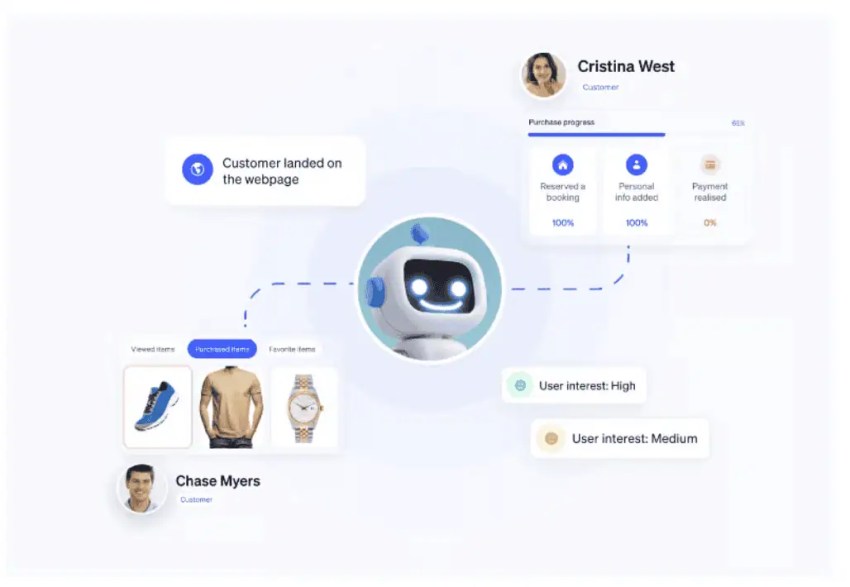
Avoid launching on every channel at once. Use customer data and support ticket analysis to identify the top 2-3 digital channels your audience uses most. Focus on perfecting the experience there before expanding. This phased approach lowers risk, gives your team time to fine-tune processes, and ensures each new channel improves the experience rather than adding complexity.
5. Measure, analyze, and iterate
Track customer service metrics and key performance indicators (KPIs) like first contact resolution and customer satisfaction score to understand what’s working. Use this data to optimize your strategy over time and improve customer engagement. Establish a regular rhythm for reviewing metrics with your team — collecting data is only valuable when it leads to concrete steps that improve customer service quality and reduce response times.
Omnichannel Customer Service Software: Features and Tools
Omnichannel customer service software brings customer conversations, data, routing, and reporting together in a unified platform. It allows support agents to manage interactions across channels while maintaining access to conversation history and customer context.
When evaluating omnichannel customer service software, look for these capabilities:
- Unified agent workspace: Manage calls, emails, chats, SMS, and social messages from one interface rather than switching between separate applications.
- Customer relationship management (CRM) integrations: Connect customer profiles, purchase history, and previous interactions to give agents the context needed for personalized support.
- Intelligent routing: Direct inquiries to suitable agents or teams based on customer needs, agent availability, and defined routing rules.
- AI chatbots and virtual agents: Automate routine questions, provide self-service assistance, and escalate more complex requests to human agents.
- Conversation history and context: Preserve relevant information across channels so customers don’t have to explain their issues repeatedly.
- Analytics and reporting: Monitor response times, resolution rates, customer satisfaction, and channel performance to identify areas for improvement.
Look for software that supports the channels your customers actually use and integrates with your existing systems. The goal is to create a connected support experience, not simply add more tools.

Examples and Use Cases of Omnichannel Customer Service
Businesses across industries can improve customer experience and internal operations using omnichannel communication solutions that enhance customer engagement and streamline operations.
Believe, Ltd. needed an omnichannel customer support platform that could unify communications across its four global brands. Their legacy customer support system couldn’t meet their business needs, causing delays, manual ticket processing, and inaccurate data that affected customer interactions.
Switching to Nextiva’s platform helped streamline their operations by consolidating over 50 support channels into one central dashboard, automating responses with intelligent bots, and prioritizing complex issues. This streamlined workflow improved productivity, enabled 24/7 support on Facebook, and allowed the customer service team to focus on more complex issues and faster resolutions.
Several well-known brands also show how powerful omnichannel strategies can be in improving customer engagement and user experience.
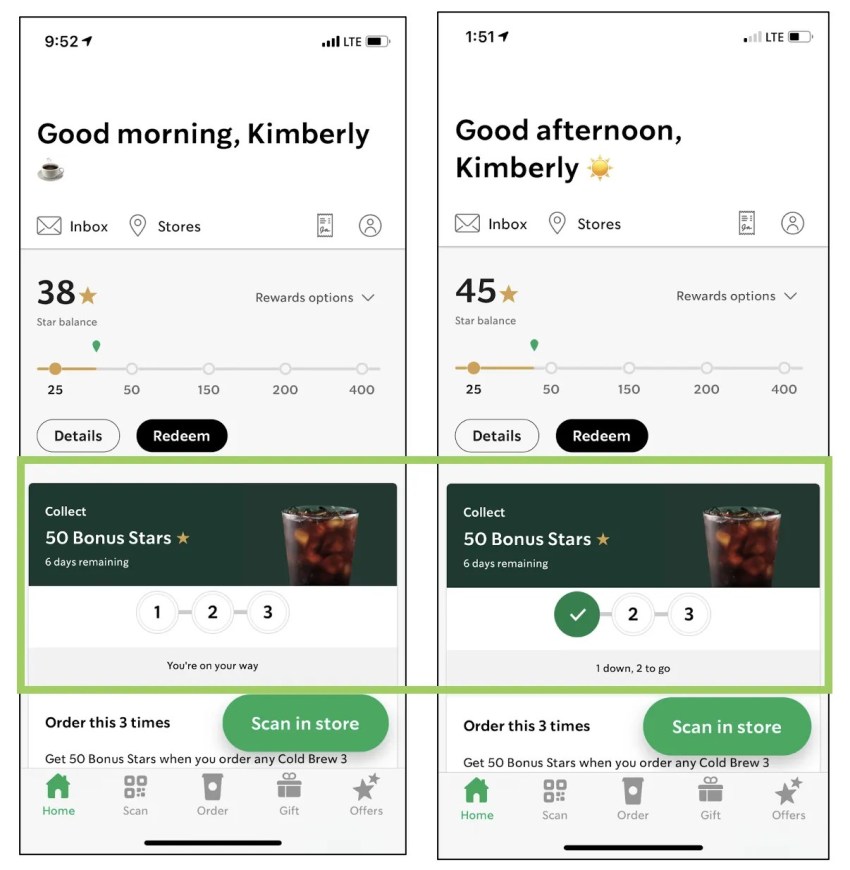
- Starbucks: Its mobile app connects ordering, payments, rewards, and in-store purchases. Customers can move between digital and physical touchpoints while using the same account and loyalty benefits.
- Disney takes the concept further by combining digital planning with physical experiences. The app helps plan trips, and at the park, the MagicBand acts as a key, ticket, and wallet — all connected to a single account that tracks customer interactions and provides personalized support throughout the entire experience.
- Zappos, meanwhile, is known for its responsive, people-first support across channels, which empowers agents to do what feels right without scripts, building immense customer trust and demonstrating the benefits of omnichannel customer service in action.
Measuring Your Omnichannel Customer Service’s Success
Businesses must track performance using clear metrics that show both effectiveness and customer satisfaction, helping to reduce churn and improve customer engagement.
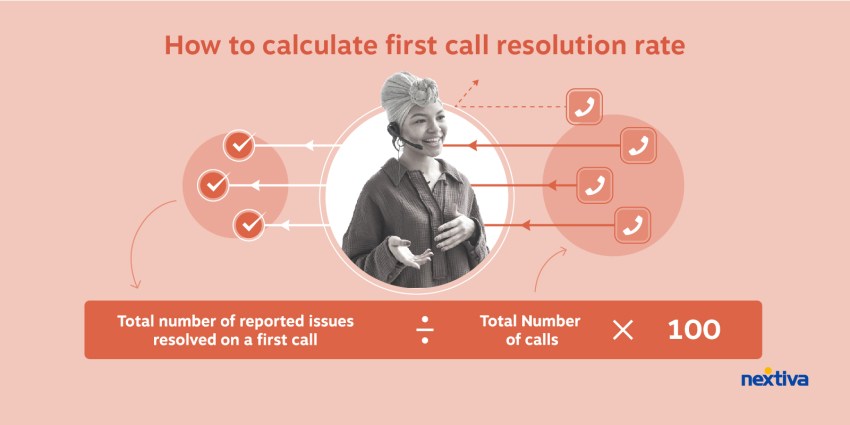
First contact resolution (FCR)
Measures the percentage of issues resolved during the first interaction, regardless of the channel. A high FCR means customers don’t need to repeat themselves or contact support, leading to better customer interactions and improved response times. It improves satisfaction and reduces operational expenses.
⭐ How to calculate FCR: (Number of issues resolved on first contact ÷ Total issues) × 100
Average resolution time (ART)
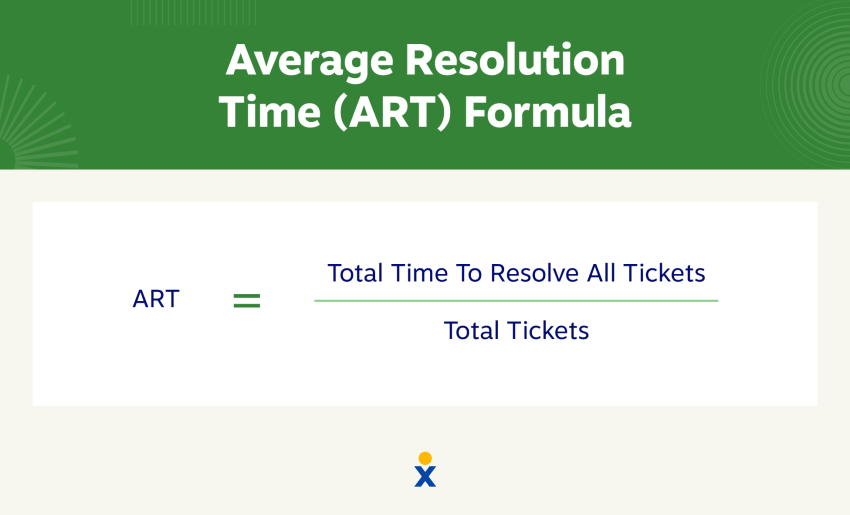
Tracks how long it takes to resolve a customer issue fully from initial contact to resolution. It shows how quickly and effectively your customer service team responds. Shorter resolution times indicate better internal coordination and smoother workflows, contributing to a better support experience.
⭐ How to calculate ART: (Total resolution time ÷ Number of resolved tickets)
Customer satisfaction (CSAT)
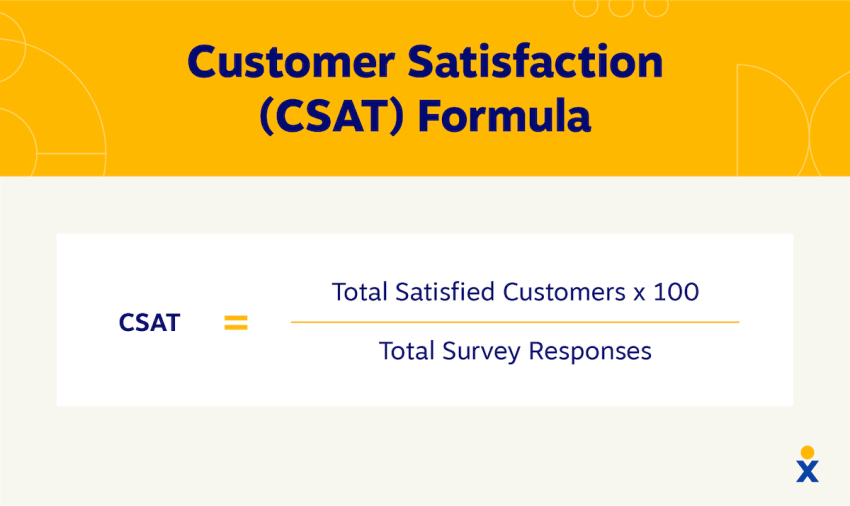
Captures how satisfied customers are after an interaction. It’s typically measured through post-interaction surveys that ask customers to rate their experience. CSAT highlights whether your team is meeting customer needs at each touchpoint and achieving increased customer satisfaction through consistent experience delivery.
⭐ How to calculate CSAT: (Number of satisfied responses ÷ Total responses) × 100
Net Promoter Score (NPS)
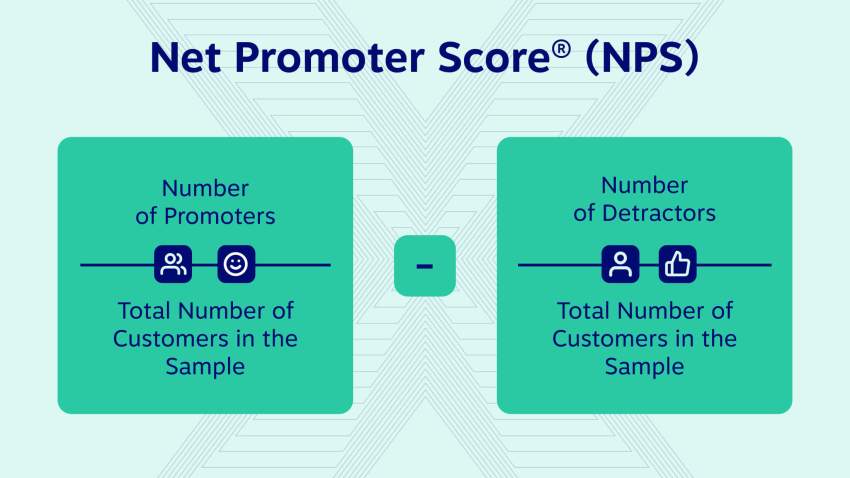
Assesses customer loyalty and willingness to recommend your brand. NPS asks one key question: “How likely are you to recommend us?” It offers a big-picture view of your brand’s reputation and emotional connection with customers, incorporating valuable customer feedback and helping predict churn rates.
⭐ How to calculate NPS: % Promoters (score 9–10) − % Detractors (score 0–6)
Channel volume and usage
This metric reveals which digital channels customers use most and how they move between them. Tracking these metrics helps allocate resources wisely, optimize staffing or technology for the most active channels, and spot any friction during channel handoffs. Optimized routing strategies can be developed based on these insights to improve customer engagement.
Monitoring these KPIs gives businesses a clear picture of how their omnichannel strategy performs. It highlights what’s working, what needs attention, and where to improve for long-term loyalty and growth while meeting evolving customer needs.
Deliver Connected Customer Service With Nextiva
Omnichannel customer service isn’t about being available everywhere. It’s about keeping customer conversations connected, so people get the help they need without repeating themselves or navigating disconnected support channels.
With the right strategy and technology, businesses can provide more consistent experiences while helping agents work efficiently.
Nextiva Contact Center brings voice, chat, SMS, email, and social conversations together in one platform. With intelligent routing, AI-powered assistance, integrated customer data, and analytics, teams can manage interactions and maintain context across channels.
Ready to connect your customer conversations? Explore Nextiva Contact Center to see how your team can manage omnichannel support from one unified workspace.
Surprise and delight customers.
Turn a good customer experience into an exceptional one with Nextiva.
Omnichannel Customer Service FAQs
A customer contacts a retailer through live chat about a delayed order, then calls support for an update. The phone agent can access the chat transcript, order information, and previous interactions to continue helping without making the customer repeat the problem.
Multichannel customer support offers several ways to contact a business, but conversations may remain separate. Omnichannel support connects those channels and shares customer context, allowing customers to switch between them without starting over.
The main benefits include faster issue resolution, more personalized support, greater customer convenience, improved agent productivity, and better visibility into customer interactions. Connected channels also help businesses reduce repetitive work and deliver more consistent service.
Common channels include phone calls, email, live chat, SMS, social media, messaging apps, and self-service portals. The specific mix depends on customer preferences and business needs. What matters most is that the channels share relevant information and support a continuous customer experience.
An omnichannel customer service strategy is a plan for connecting support channels, customer data, technology, and internal workflows. It defines how teams maintain conversation history, route inquiries, resolve issues, and measure performance across channels.
AI can automate routine inquiries, identify customer intent, suggest responses, summarize conversations, and help route requests to the right team. When integrated with customer data and support tools, AI can also help human agents maintain context across interactions.