



Article content
See more Toronto Sun on Google — save as a Preferred Source
Advertisement 2

Article content
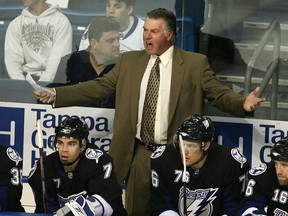
Barry Melrose, who feared no opponent as a player, talked tough behind the bench and was outspoken as a TV analyst, has lost his battle with Parkinson’s disease.
Article content
Article content
The 70-year-old, who was diagnosed three years ago, died Wednesday, his wife Cindy informing ESPN, his last employer, where he started working in 1996 after his coaching days.
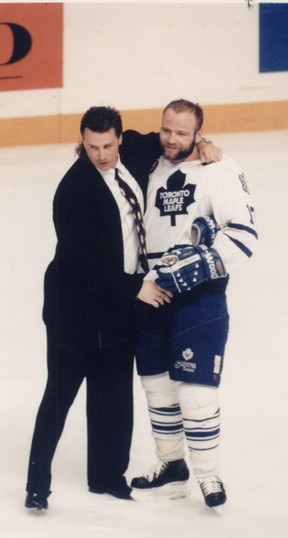
Melrose was a first cousin of Maple Leafs winger Wendel Clark, both born in Kelvington, Sask., and part of a close circle of friends and relatives in the NHL that included physical forces Joey Kocur and Kelly Chase.
The rugged defenceman was a second-round pick of the Montreal Canadiens and played 300 NHL games for Winnipeg, Toronto, Detroit and before that, played 178 for the World Hockey Association Cincinnati Stingers, compiling more than 1,000 minutes in penalties.
But it was as a coach that he came to international attention. After winning the Calder Cup with Detroit’s farm team, the Adirondack Red Wings, the first-year coach of Wayne Gretzky’s Los Angeles Kings led a veteran team to the 1993 Stanley Cup final.

Your Midday Sun
Article content
Advertisement 3
Article content
Coached the Kings over the Leafs in 1993
That spring, the Kings defeated the Leafs in a bitter seven-game conference final that represented Toronto’s closest brush with the Cup in the past 59 years. He and Toronto coach Pat Burns had a personal feud that saw burly ex-policeman Burns try and push past security at the Gardens one night to get Melrose after he’d mocked the former’s weight.
“Let’s just say Barry was a lucky man Pat didn’t get to him,” Toronto general manager Cliff Fletcher joked after.
But the Canadiens halted the Kings’ Cup push and Melrose didn’t repeat that success in L.A. or at other stops.
“He’s bigger than any team,” Gretzky said when Melrose had to remove himself from ESPN because of Parkinson’s. “Hockey is more than a game, it’s a finely-tuned orchestra and Barry was our conductor.”
Television had offered Melrose a new avenue for his wit, wisdom and collection of wicked suits to go with his signature mullet.
“For decades, Barry was one of the most distinctive and trusted voices in hockey,” ESPN said in a statement. “His knowledge of the game was deep, his candour was refreshing and his passion was unmistakable.
Advertisement 4
Article content
“He always kept it interesting and he will be missed.”
Colleagues acknowledged his many attributes.
“Barry was my best friend at ESPN,” posted John Buccigross. “A big brother figure of rock solid values.”
Hockey Night In Canada play-by-play man Chris Cuthbert described Melrose as “one of hockey’s most impactful voices and colourful personalties.”
NHL commissioner Gary Bettman can credit Melrose with drawing countless American viewers to the game. Melrose also penned a book, Dropping The Gloves, about the competitive world of pro hockey.
“From the flowing locks of his distinctive mullet to the flared lapels of his trademark long sports coats Barry cut an unmistakable figure whenever you were fortunate to run into him,” a league statement from Bettman read.

We apologize, but this video has failed to load.
X: @sunhornby
Article content