



Private sector employment increased less than expected in July, but those switching jobs saw swift growth in their wages, according to new data from payroll processor ADP.
Non-farm employers added about 44,000 jobs in July, down more than half from June, when 95,000 jobs were added.
The jobs gains in July all came from service-based professions, with health and education providing the lion’s share at 36,000 new positions.
Pay growth for people staying in their jobs held steady at 4.4 percent year-over-year in July, while those switching positions saw pay growth leap to 7 percent, the largest year-over-year increase since August 2025.
“Job-changers are highly sensitive to real-time economic conditions, and their rapid pay growth implies supply constraints in parts of the labor market,” Dr. Nela Richardson, ADP’s chief economist, said in a statement. “Typical hiring patterns, meanwhile, are changing as employers react to shifting macro-economic conditions.”
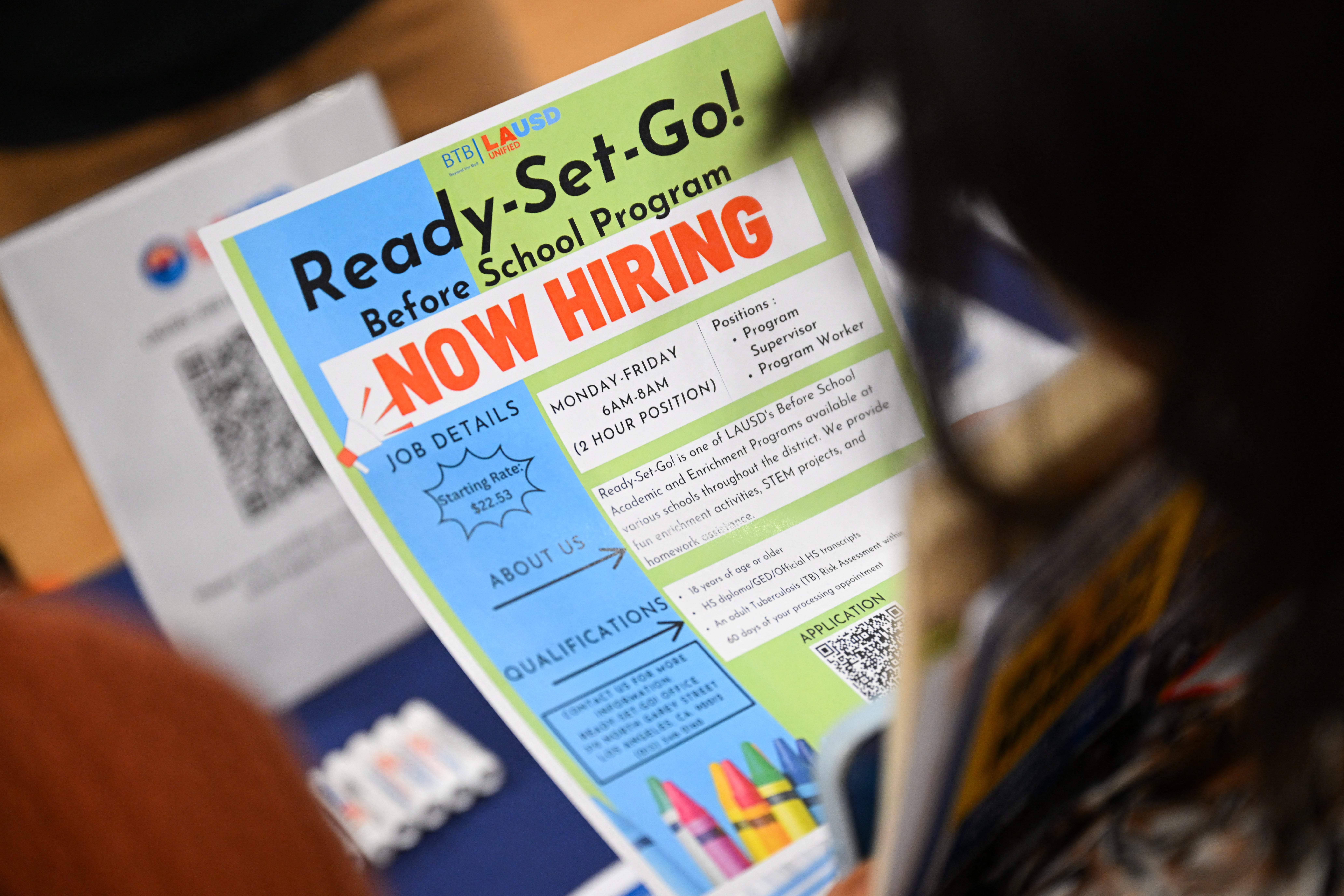
A separate Bank of America Institute analysis of deposit data found that after-tax wage growth among lower-income households accelerated 5.2 percent last month, topping that of higher-income households for the first time since late 2024.
The data points to “some evidence of tightening overall” in the labor market, Bank of America Institute senior economist David Tinsley told Axios.
Official Bureau of Labor Statistics data on non-farm employment in July is expected by the end of the week.
Overall, job growth remains in better shape than in 2025, according to the Labor Department, when uncertainty around tariff policies and high interest rates appeared to stall hiring, with employers adding about 10,000 jobs per month on average last year.
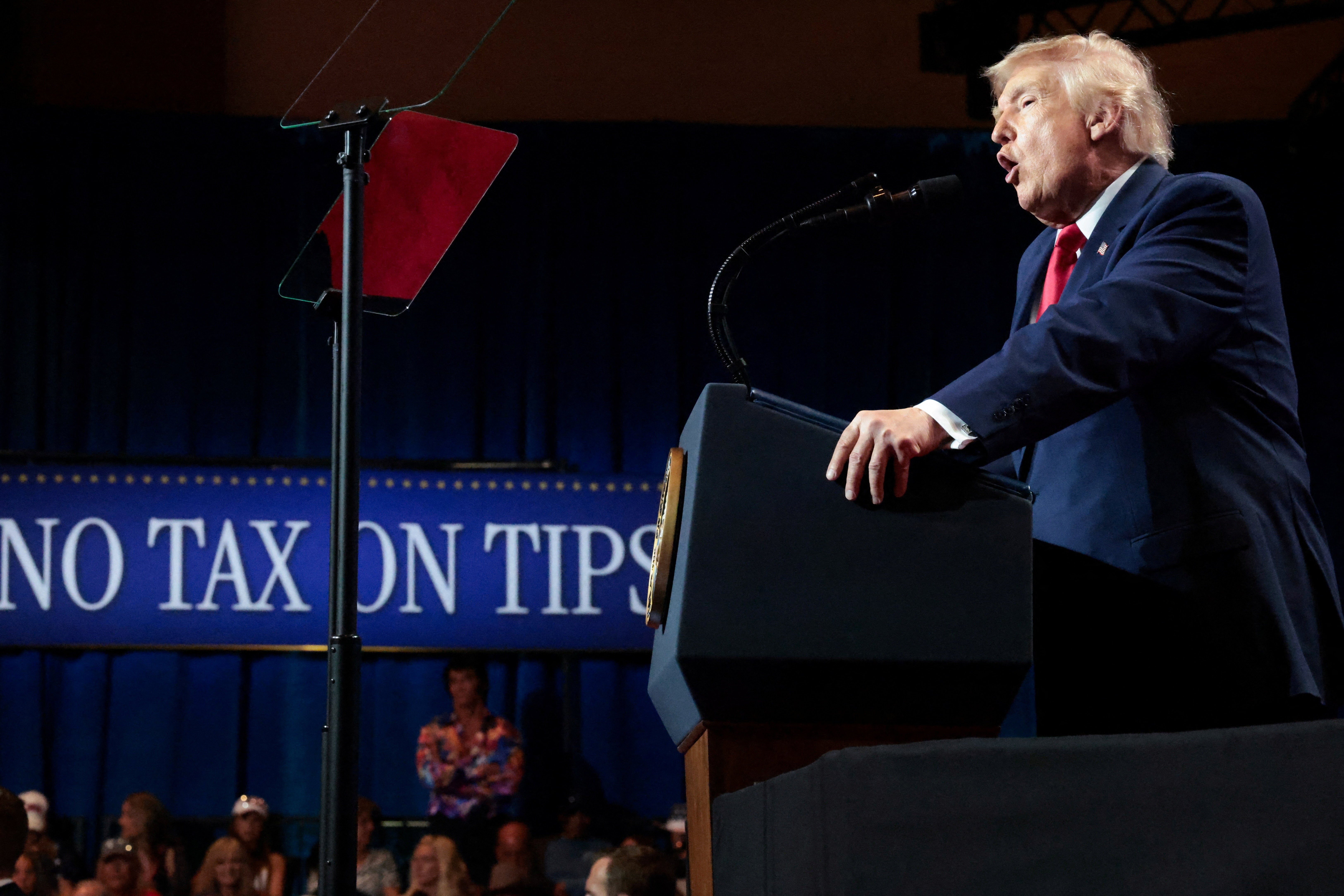
The Trump administration continues to insist the economy is “amazing,” though it appears Americans are not quite convinced.
A recent Reuters/Ipsos poll found that for the first time in nearly a decade Americans now trust Democrats slightly more than Republicans to handle the economy.
Another recent measure, this one from CNN and SSRS, found that 77 percent of respondents believed the nation’s financial health was either very poor or somewhat poor, and 70 percent of those surveyed disapproved of President Trump’s handling of the economy.
In a speech on Wednesday in Las Vegas, President Trump touted his economic agenda, which has included passing a series of tax cuts. The Republican also blasted “fake” polls about economic uncertainty and labeled Democrats “communists” who would ruin the economy.